

As technology moves forward faster than ever, one big question stands out: Can machines understand human nature? In 2024, the artificial intelligence market was bolstered with significant growth of the tech giants working with it. The first month of 2025 was no different, marking the launch of DeepSeek’s AI, which disrupted the artificial intelligence market. Undeniably, AI is crucial for the future, but it has some unwanted impacts on our lives that have to be fixed before it becomes too prominent.
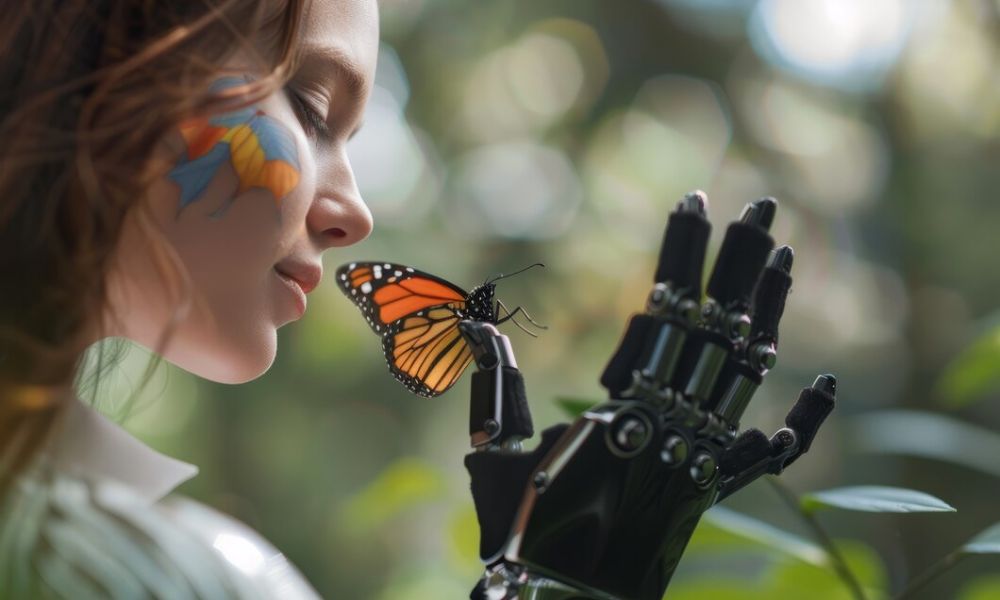
Artificial Intelligence can only benefit humanity to its full potential when it understands and adapts to human nature. Adapting with humanity is not just about understanding the technical and analytical aspects, but it’s also about the ethics and morals of human society. In this article, we will discuss in detail the importance of connecting machines to human nature.
Relationship Between Humans and Machines
Machines have seamlessly integrated into nearly every aspect of human life, transforming the way we live, work, and communicate. Smartphones, for instance, have become an essential part of daily routines, providing instant access to information, social media, and entertainment. Robotics has revolutionized industries like manufacturing, healthcare, and even space exploration, performing tasks with precision and efficiency.
Devices like smart home assistants and wearables keep us connected and manage daily tasks, while virtual reality is opening new frontiers in entertainment, education, and professional training. These advancements have deeply impacted society, making life more convenient and interconnected, but also raising questions about privacy, dependency, and the future of work. While AI can process vast amounts of data and recognize patterns, it still struggles with understanding and responding to human emotions in a meaningful way.
For example, a person asked a newly launched chatbot to suggest healing places he can visit to consult his anxiety and depression after his mother’s death. Chatbot suggested nearby playing areas, clubs, and cafes to lighten the mood. An AI chatbot can analyze text and offer solutions, but it cannot truly empathize with a person’s emotional state or understand the nuances of human feelings, such as compassion or sorrow.
Importance of Human Nature
Human nature is incredibly complex, shaped by a wide range of emotions, values, and experiences. It includes everything from the ability to make ethical decisions, balance logic with compassion, and create art, to forming deep social bonds and experiencing profound emotions like love, joy, and sorrow. These elements of human nature drive our actions, relationships, and even our moral compass.

For AI to truly connect with humans, it must be trained to understand and respond to these emotions, not just through data but by recognizing subtle cues such as tone, body language, or context. By doing so, AI can offer more personalized, empathetic interactions, which is crucial in fields like healthcare, education, and customer service. This emotional intelligence in machines is important because it can bridge the gap between cold, mechanical processes and the nuanced, emotional experiences that make us human, leading to deeper and more meaningful human- machine collaborations.
Bridging the Gap Between Machine and Human Nature?
AI is rapidly evolving to better understand and connect with human emotions in several key ways:
- AI’s Emotional Recognition: Through advancements in machine learning, AI is becoming more adept at detecting emotions by analyzing facial expressions, tone of voice, and context, allowing machines to respond more empathetically.
- Humanizing Machines: We’re also seeing machines become more human-like, such as robotic companions that offer social interaction, personal assistants that adapt to user preferences, and AI systems that learn from ongoing human interactions to provide tailored responses.
- The Future of Human- Machine Collaboration: Looking ahead, machines can be designed to complement human nature in meaningful ways, healthcare robots can offer companionship and care, and AI systems support mental well-being by identifying emotional patterns and providing timely, sensitive responses. These developments open up exciting possibilities for more harmonious and supportive relationships between humans and machines.
Challenges and Biases of Human Nature
Integrating AI with human nature presents significant challenges, especially when it comes to ensuring that machines can accurately and ethically mirror the complexities of human emotions and behavior. One of the biggest risks is that AI systems may unintentionally adopt human biases and prejudices, as they often learn from large datasets created by humans. If these datasets reflect biased perspectives, whether related to race, gender, or socioeconomic status, AI could promote or even amplify these biases in its responses and decision-making.
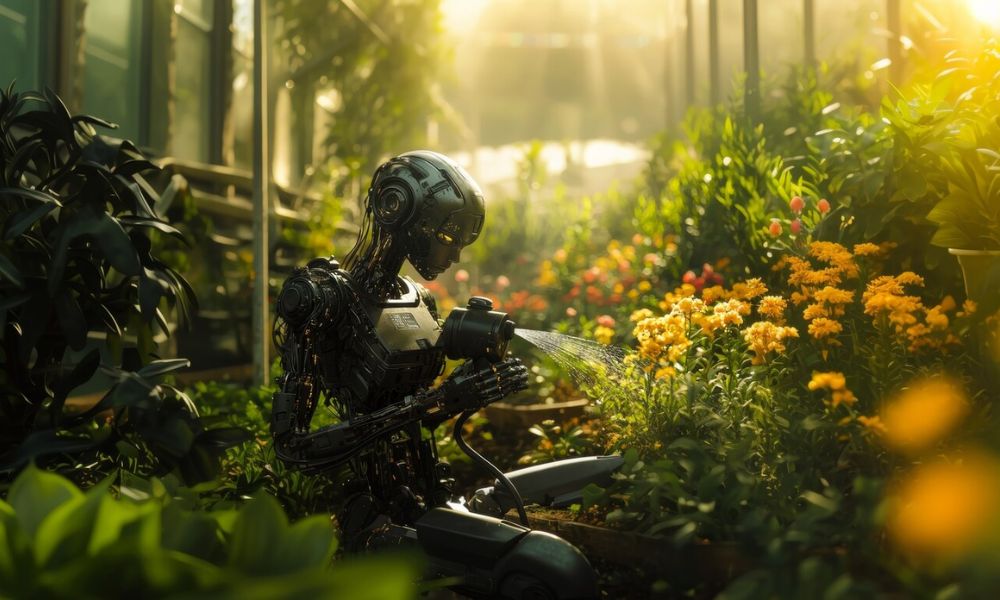
This can lead to unfair outcomes, such as discriminatory practices in hiring, healthcare, or law enforcement. Additionally, since AI lacks the depth of human experience, it may struggle to fully comprehend the ethical and emotional nuances that drive human actions, further complicating its ability to make decisions that align with our values. Addressing these risks requires careful design, diverse data sources, and constant oversight to ensure AI systems are aligned with fairness, empathy, and inclusivity.


