

Fine dining trends are undergoing a remarkable transformation in 2025, opening new horizons for luxury cuisine trends and redefining what it means to dine at the highest level. Elite chefs around the world are embracing immersive environments, hyper‑personalized menus, and sustainability as central pillars of culinary innovation.
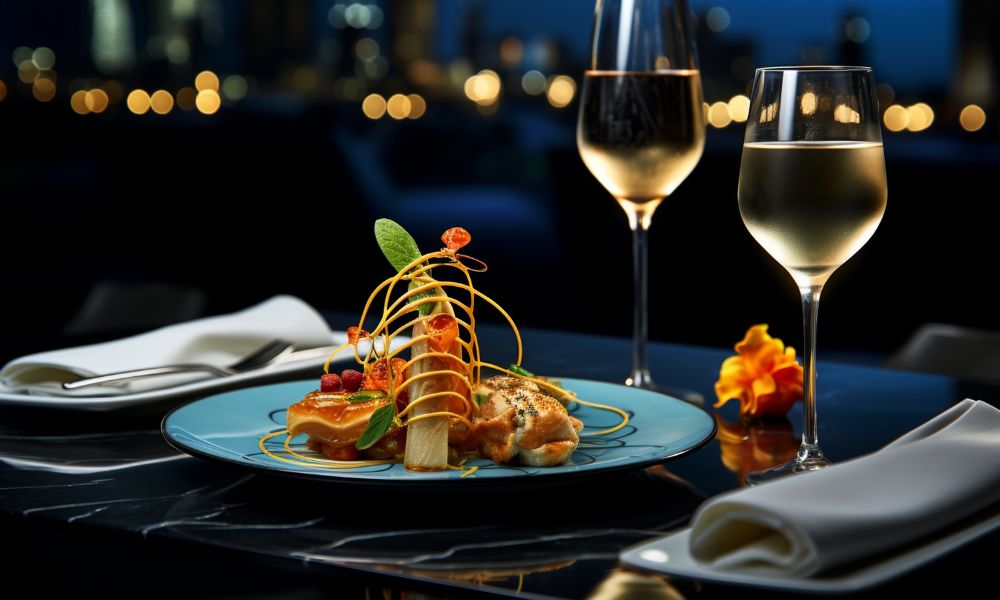
In this year of dining evolution, patrons of fine establishments are experiencing more than meals; they’re invited into sensory-rich narratives that marry global flavors with cutting‑edge technology. From AI‑driven menus to multisensory storytelling, the world’s best cuisines are being reimagined to engage guests in intimate, unforgettable ways.
Top Fine Dining Trends Changing the Culinary Landscape
Dining has evolved from static courses in quiet rooms into immersive, emotionally engaging journeys. Today’s food trends blend luxury with innovation, creating culinary experiences tailored to personal identity, sustainability goals, and global heritage. Whether through plant‑based delicacies, AI‑curated menus, or space‑age destinations, these shifts signal a deeper transformation in what elite diners seek, experiences that not only satisfy the palate but leave lasting impressions on the soul.
Immersive & Multi‑Sensory Dining Experiences
Fine dining trends in 2025 place a premium on experiences that engage all the senses, far beyond taste alone. Restaurants like Ultraviolet elevate the act of eating into high art, integrating sight, sound, scent, and lighting synchronized with each course to create an enveloping culinary narrative.
This shift in culinary trends turns dining into a theatrical performance. Elaborate themed environments, atmospheric music, and chef‑driven storytelling heighten emotional connection and ensure that guests don’t just taste the food, they feel it. These immersive experiences redefine how the world’s best cuisines can move beyond flavor into memory.
Tech‑Enhanced Personalization & AI Creativity
Luxury cuisine trends of 2025 are deeply intertwined with sophisticated technology. AI-powered systems craft personalized menus based on diners’ preferences, nutritional needs, and past feedback, curating hyper‑unique tasting journeys.
Highlighting the bleeding edge of dining evolution, Dubai’s WOOHOO will be helmed creatively by “Aiman,” an AI (not robot) chef LLM that designs menus, ambiance, and beverages for the restaurant’s September 2025 opening. It’s a striking example of how the world’s best cuisines are being shaped not just by human hands, but by data‑driven imagination.
Sustainability, Zero‑Waste Cooking & Plant‑Powered Menus
A core fine dining trend in 2025 is elevating sustainability from niche to essential. Zero‑waste cooking techniques, sustainable sourcing, and regenerative farming are central to modern luxury cuisine trends.
Plant-based and lab‑grown proteins are no longer fringe; they’re becoming standard elements in haute cuisine. Chefs serve delicacies like beet tartare with seaweed caviar and mushroom ravioli with truffle, crafting ethical luxury that tastes exquisite. These efforts reinforce that fine dining trends are now inseparable from conscious dining and resource stewardship.
Global Fusion & Cultural Storytelling
Food trends in 2025 celebrate the confluence of global cuisines melding ancestry with avant‑garde technique. Blending Latin, Asian, Middle Eastern, and African influences through fusion dishes offers bold flavor without losing cultural narrative.
A compelling fusion movement is Mexican‑Asian mashups, think kimchi quesadillas or birria ramen that honor multicultural roots while pushing culinary boundaries. These luxury cuisine trends invite diners on a cultural journey, making each bite a testament to global unity and innovation.
Pop‑Ups, Destination Dining & Haute Atmospheres
Fine dining trends in 2025 include exclusive pop‑up events in dramatic settings. The Alinea Group’s “M” pop‑up in Montana’s snowy mountains is slated for mid‑December. It offers modernist tasting menus amidst dramatic alpine landscapes perfectly blending gourmet artistry with nature’s grandeur.
Taking it even higher literally, soon diners will ascend to the stratosphere aboard Spaceship Neptune, hosted by Michelin-starred chef Rasmus Munk. At 100,000 feet, guests pay nearly half a million dollars to eat above the Earth, where the extraordinary view is as prominent as the food.
Intimate & Exclusive Curated Menus
Another fine dining trend is the shift toward smaller, highly curated menus. Chefs increasingly favor tight, seasonal offerings that highlight premium ingredients and reduce waste while enabling mastery of each dish.
Formats like omakase and tasting menus are flourishing. These structures allow chefs to tell stories course by course, weaving culture, history, and culinary philosophy into each progression. Diners are invited to surrender agency and trust in the chef’s vision as part of the evolving luxury dining narrative.
Artful Presentation, Edible Aesthetics & Entertainment
In 2025, food isn’t just for eating, it’s for seeing. Edible art presentations, such as hand‑painted confections, sculptural charcuterie, or dessert installations, are dazzling guests as feature pieces of the dining space.
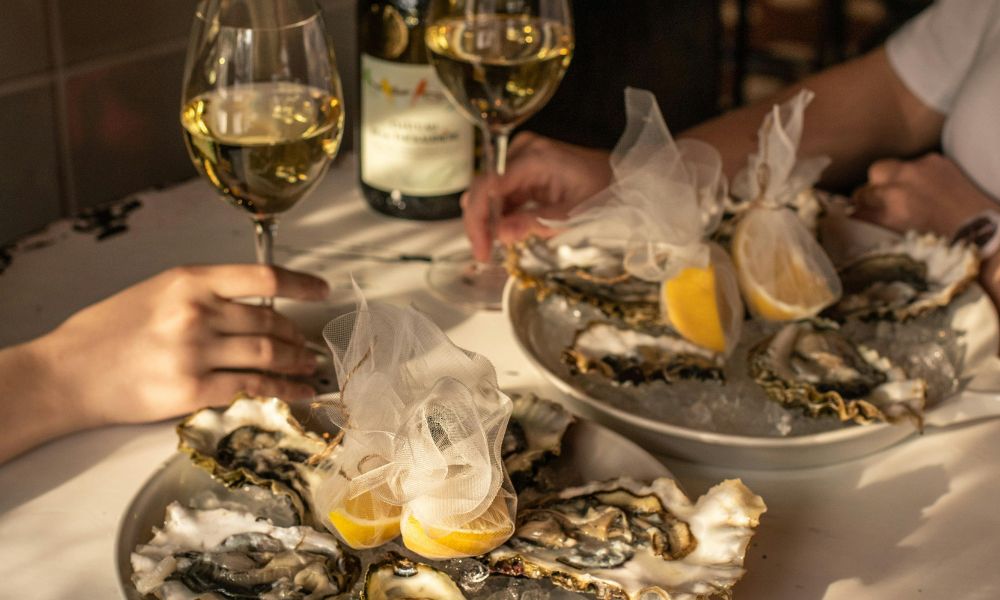
Live culinary theatrics enhance the elegant experience. Caviar carts, oyster shuckers, flambé stations, and carved tomahawk steaks table‑side are trendy centerpieces. They offer both flavor and spectacle—key to luxury cuisine trends where visuals and sensory impact stand alongside taste.
Elevated Bread Courses & Artisanal Rituals
A surprising fine dining trend is the rise of exceptional bread as a course in itself. Michelin-star chefs across the UK are spotlighting bread, seasonal Parker House rolls, ancient grains, Hokkaido milk bread paired with sophisticated butters or condiments as standalone highlights.
This focus on artisanal tradition elevates comfort into ceremony and reflects how simple ingredients, when thoughtfully crafted, contribute to fine dining’s evolving narrative of texture, heritage, and luxury.
Luxury Brand Dining & Experiential Retail
Dining evolution in 2025 sees high fashion and lifestyle brands opening fine dining venues within their flagship stores. Yves Saint Laurent’s sushi restaurant, “Sushi Park,” launched in Paris, offers omakase-style fine dining within a fashion environment, merging retail and gastronomy in refined synergy.
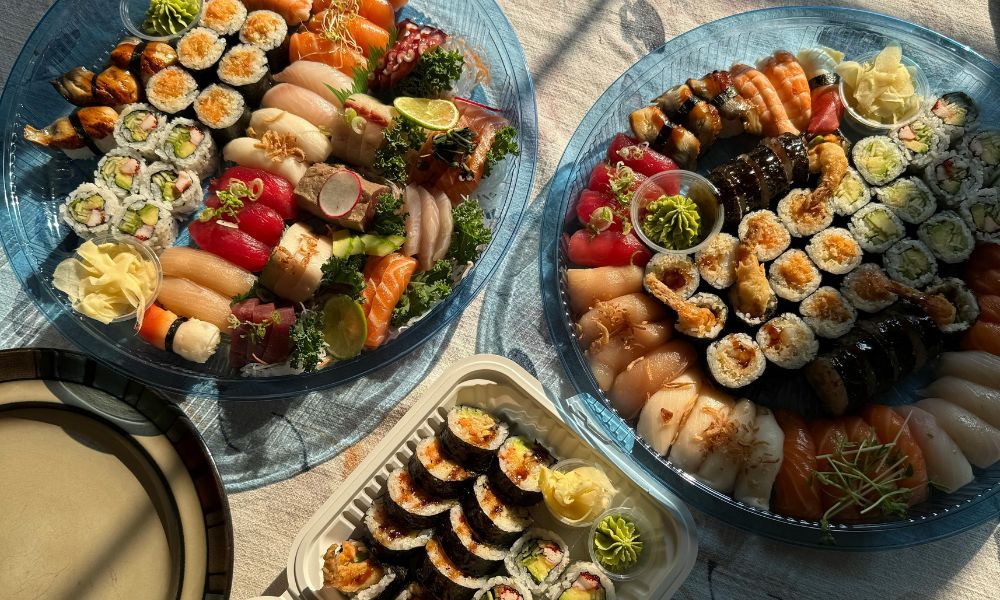
These luxury cuisine trends reflect a growing appetite among elite consumers for integrated lifestyle experiences where shopping and dining coexist as curated, immersive brand expressions.
Cities & Cultures Rising as Gourmet Capitals
The geography of fine dining trends is shifting. Bangkok has emerged as the new international fine dining capital. It has boasted six eateries in the 2025 World’s 50 Best Restaurants list. These venues fuse tradition, regional ingredients, and immersive ambiance to redefine the culinary elite.
Gastronomic prestige now belongs to diverse global locales, where chefs reinterpret ancestral techniques in modern form. This evolution challenges conventional hierarchies and redefines what we consider the world’s best cuisines.
A Year of Reinvention for Luxury Cuisine
From immersive environments to AI‑crafted menus, sustainable innovation to sensory narrative, 2025 is the year elite dining truly redefines itself. These fine dining trends honor tradition while pushing boundaries, crafting not just meals but experiences that resonate, enchant, and endure.
As the dining evolution unfolds, the world’s best cuisines are becoming more personalized, ethically grounded, visually enchanting, and emotionally resonant than ever before. This is luxury cuisine reimagined, not just refined, but redefined.


