

The Detroit car industry has always been famous as the heart of the American automotive industry. It is also known as Motor City, and was the first state to start mass producing automobiles, a model that was later adopted by other states. The North American International Auto Show, also known as the Detroit Auto Show as of 2022, is a big part of the state’s identity and attracts car enthusiasts from across the world.
What makes this year’s Detroit auto show interesting is that the US president admitted that he expects the Detroit car industry to take the lead as the American EV market opens up. Meanwhile, automakers are doing their best to keep EV prices low as cost of batteries increase.
The Detroit Car Industry And Electrification
As America hopes to capitalize on the EV market, lawmakers are hoping that the Detroit car industry will pick up pace and revitalize the flagging economy.
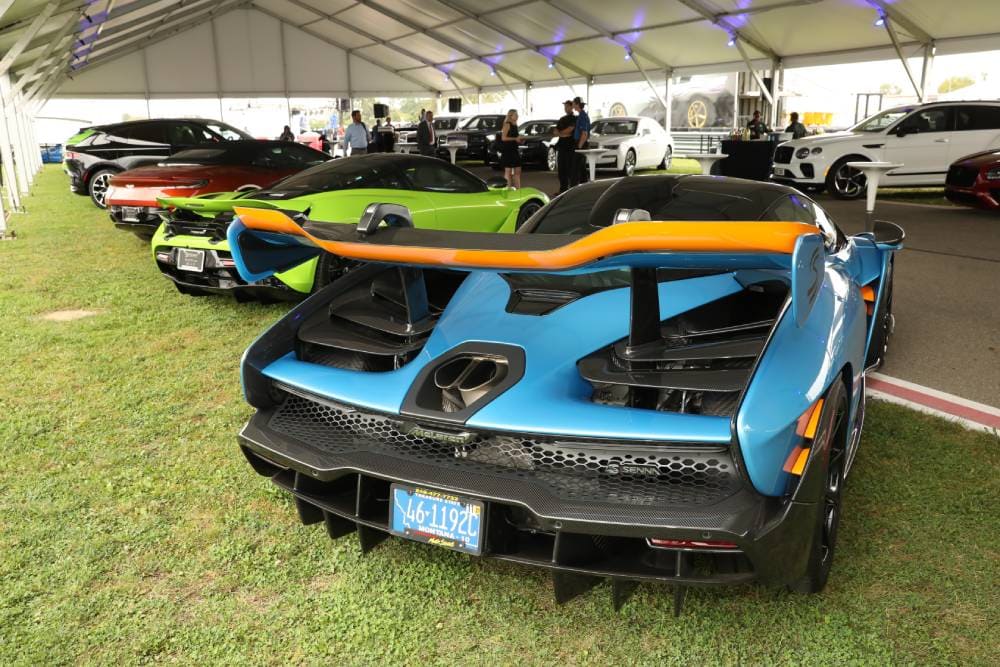
During his visit to the Detroit auto show, the US president reaffirmed his stance on the EV market and stated that the great American road trip is on its way to being fully electrified. He stressed that he believes the American electrification of the auto industry will help the nation own the future of manufacturing. The president made it a point to check out the cars on display, including a petrol-powered Corvette.
However, gasoline-powered trucks were well represented at the Detroit auto show, an indication that the industry might not be modernizing as fast as expected. In August, the president set a goal that by 2030 half of all new vehicles sold must be zero emission vehicles. The White House even pointed out that under the current administration major automakers have announced a combined investment of nearly $85 billion to capitalize on the EV market.
Recently, General Motors opened a new-electric vehicle factory in Detroit, known as Factory Zero. Stellantis, previously called Fiat-Chrysler, opened a factory to build Jeep SUVs and is expected to employ around 5,000 people.
Modern Developments
For some eagle-eyed experts, the president’s vision seemed to be at odds with what is happening on the ground in Detroit. Other than the president driving gasoline-powered vehicles at the auto show, there are also plans to remove part of a freeway that was built in the 1950s. The transportations secretary announced that part of the motorway will be removed, funded in large part by federal money, to build a “boulevard” that will be open for public transport, cars, and cyclists.
Reporters raised their eyebrows at this development as the city’s officials have made it amply clear that they have high expectations of the Detroit car industry. In such a state, removing part of the infrastructure meant for cars gives a very different message than what is expected.
Mike Duggan, Detroit’s mayor, says that he is focused on repositioning Detroit and that they are “staying very close to our friends in the auto industry.”
Gabriel Ehrlich, of the University of Michigan, is of the opinion that the car industry is transforming and hiring is on the rise. Meanwhile, electric cars are easier to assemble than gasoline-powered ones, which could translate to lesser jobs in the long run.
On the other hand, the Detroit car industry has seen its shares in the state’s economy in the past 60 years. What was once the hub of the American auto industry, is today a whisper of its old glory. One part of the issue is that manufacturers have moved elsewhere and it takes fewer people to build cars today than it did 30 years ago. Experts predict that even if the car industry makes a comeback in the city, it might not be enough to provide sufficient employment to residents.
The American electrification of the auto industry has received considerable support from the current administration with executive orders and tax subsidies to foster innovation.


