

Intel earnings for Q2 beat Wall Street’s revenue expectations, even as the company reported a deeper net loss and rolled out major cost-cutting initiatives. The chipmaker posted $13.3 billion in revenue, outperforming analysts’ projections. However, this financial win was overshadowed by an unexpected $500 million loss, and a wave of strategic changes, including Intel job cuts and the cancellation of several costly infrastructure projects.
The mixed results underscore Intel’s ongoing struggle to reclaim its dominance in the semiconductor space. As CEO, Pat Gelsinger continues to execute his long-term turnaround plan, and he’s made it clear that streamlining operations and focusing on high-return investments are now the top priorities. The Intel Q2 earnings report highlights both the progress and the pain points of that transformation journey.
Intel Earnings Show Growth, But Not Without Cost
The focus keyword in today’s financial headlines is unmistakably clear: Intel earnings are a mixed bag. On one hand, revenue exceeded expectations thanks to a modest rebound in PC demand and stronger-than-expected data center performance. On the other hand, Intel is burning through cash as it tries to build out its foundry business and catch up with rivals like TSMC and AMD.
What stood out in the Intel Q2 earnings report was the stark contrast between revenue growth and profit performance. While the top-line number hit $13.3 billion, slightly ahead of the $13.2 billion estimate, the bottom line showed a widening net loss compared to the same period last year.
The company’s gross margin also took a hit, dropping to 38% from 44% in the previous quarter, signaling tighter profitability amid rising costs. While Intel’s leadership celebrated the revenue beat, investors were more focused on the company’s worsening financial position and how leadership plans to correct it.
Intel Announces Layoffs and Canceled Projects
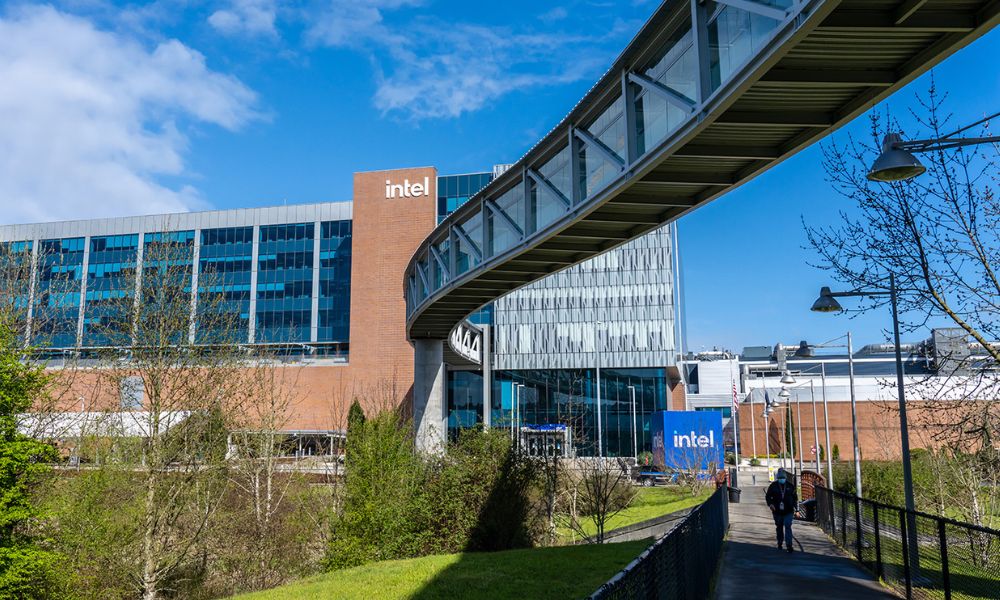
To address the growing losses, Intel is making bold moves. CEO Pat Gelsinger confirmed that the company will lay off approximately 15% of its global workforce and halt several planned factory projects in Oregon and Arizona. These Intel job cuts and canceled expansions reflect a sharp pivot away from high-capex initiatives that no longer align with the company’s ROI goals.
The restructuring is expected to save Intel roughly $3 billion annually. However, it’s also a clear sign that the company is facing increased pressure to show profitability in the short term. Gelsinger acknowledged the hard decisions but insisted they are necessary to “preserve cash, protect innovation, and position Intel for future growth.”
The announcement immediately impacted Intel stock, which dipped by nearly 4% in after-hours trading, reflecting investor anxiety over the company’s broader direction.
Market Reactions and Intel Stock Outlook
The market’s reaction to Intel’s Q2 news has been cautious. Despite the revenue beat, Intel stock is facing pressure due to uncertainty over the company’s long-term viability in the foundry space and the broader AI revolution. While Intel remains a legacy name in the chip industry, it has been slow to pivot toward AI-optimized architecture, an area where competitors are aggressively gaining ground.
Can Intel Bounce Back from Its Losses?
At the core of Intel’s recent moves is a deeper question: Can this tech giant reinvent itself in time to matter in the AI and cloud computing future? The Intel Q2 earnings report suggests the company still has meaningful demand for its core products, but staying relevant will require more than just cost-cutting.
If Intel can align its spending with actual revenue returns, deliver next-gen chip designs on time, and regain market confidence, the path back to dominance isn’t out of reach. However, that road will be steep, and every quarterly earnings call will be a test.
While the company’s legacy provides a strong foundation, the pressure is mounting to show results. With high-stakes bets, rising global competition, and major internal changes already underway, Intel’s next few quarters could define the company’s future and determine whether this is the beginning of a comeback or the continuation of a slow decline.
Rebuilding the Intel Legacy
The Intel earnings story this quarter is about more than numbers; it’s about transformation. Revenue growth may have beaten expectations, but the deepening losses and restructuring moves show a company grappling with how to remain competitive in a fast-moving tech world. With job cuts, project shutdowns, and a CEO on a mission, Intel is clearly in transition. Whether it can turn the page and lead again will depend on how effectively it turns these painful changes into long-term gains.


