

It feels like the world has turned green with the global matcha craze. In the last two to three years, influencers have marketed Japanese matcha as the “ambrosial drink,” and followers can’t keep calm about this green tea that complements the aesthetics of Gen-Z. Although the trend boosted Japan’s tea industry, it was not immune to the growing matcha tea shortage. As per reports, the matcha industry is expected to reach a valuation of $5 billion by 2028.
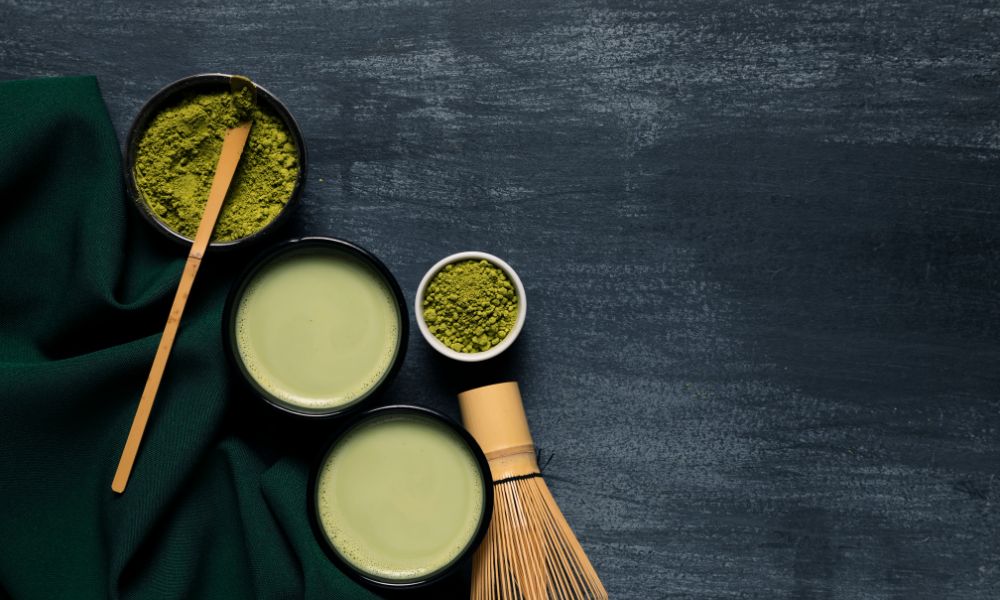
However, there is a problem: the world does not have enough matcha to fulfill growing demands. Last year, the major producers of matcha in Japan announced the buying limit on green tea powder to cope with heavy demand. As per Japanese reports, the matcha consumption has declined in Japan while growing at an unexpected rate worldwide.
Sipping Success: How the Matcha Trend Took Over
Matcha has been popular in China and Japan for decades and has been an essential part of daily life. Here in the US and for the rest of the world, matcha has recently started to grow in popularity, mainly because of celebrities and lifestyle influencers. The matcha boom has been driven in part by online influencers like Andie Ella, a 23-year-old from France with over 600,000 YouTube subscribers.
She launched her line of matcha products and even opened a pastel-pink pop-up shop in Tokyo’s trendy Harajuku neighborhood. Fans lined up to snap photos with her and buy her strawberry and white chocolate-flavored matcha. “Matcha is super visually appealing,” she told. Her brand, made in Japan’s rural Mie region, has already sold 133,000 cans since it launched in November 2023. The company now has a team of eight employees.
“Demand just keeps growing,” she said. In fact, in 2024, matcha made up more than half of Japan’s 8,798 tonnes of green tea exports, double what it was 10 years ago, according to the agriculture ministry.
Matcha Supply 2025: Navigating Japan’s Growing Shortage
According to data from Japan’s Ministry of Agriculture, Forestry and Fisheries (MAFF), tea production in the country nearly tripled between 2010 and 2023 to keep up with growing demand. Today, over half of the tea produced in Japan is sent overseas, rather than being enjoyed at home. In Sayama, northwest of Tokyo, Masahiro Okutomi is feeling the pressure. As the 15th generation to run his family’s tea business, he’s struggling to keep up with soaring demand for matcha.
“We had to post on our website that we’re no longer taking matcha orders,” he shared. Making matcha is no easy task; the leaves, known as tencha, are shaded for weeks before harvest to boost their flavor and nutrients. After harvesting, the leaves are deveined by hand, dried, and then ground into a fine powder using special machines. “It takes years of training to get it right,” Okutomi explained. “It’s a long-term commitment that needs the right tools, skilled workers, and serious investment.”

He added, “I’m happy the world is excited about our matcha… but honestly, the demand is overwhelming right now – we just can’t keep up.”
Matcha Tea Shortage: How Companies Are Coping with Supply Challenges
The global matcha tea shortage is increasingly affecting businesses and consumers alike. Companies are grappling with limited stock and rising prices due to several factors. For instance, Japanese producers like Marukyu Koyamaen and Matchaya have imposed purchase limits, citing a significant mismatch between current demand and production capacity. This situation is exacerbated by climate-related challenges, such as heatwaves damaging tea crops, and a decline in the number of tea farmers in Japan.
To manage the matcha global shortage, some companies are exploring alternative sourcing strategies. Matsu Matcha, for example, is establishing direct relationships with multiple Japanese tea farms to secure limited quantities. Others are considering the adoption of technology in agriculture, such as precision farming and hydroponics, to enhance matcha yields and optimize growing conditions. Despite these efforts, the shortage persists, and businesses are urging consumers to be patient and understanding as they navigate these supply challenges.


