

Musk threatens Apple with legal action in a surprising turn of events that throws the spotlight back on the tech giant’s practices. Elon Musk has launched a public attack on Apple, accusing the tech giant of suppressing his AI chatbot, Grok, on the App Store. In a series of sharp posts on X, Musk said Apple’s App Store policies are “a clear antitrust violation,” claiming that despite Grok being one of the top AI apps, it’s deliberately excluded from key placements like the “Must Have” list. His message was blunt: “Either fix it or get sued.”
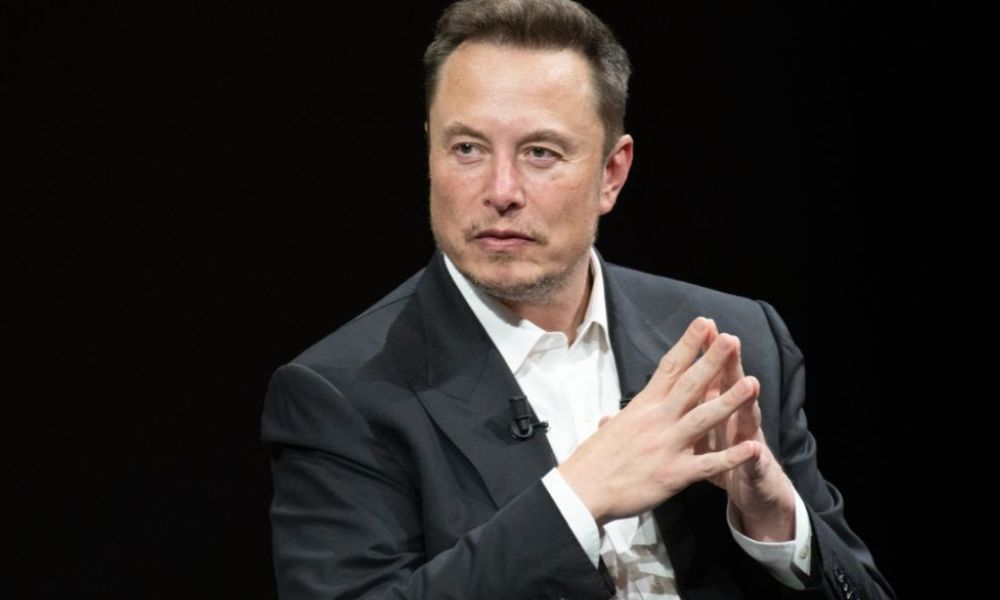
This marks a dramatic escalation in the ongoing Musk-Apple conflict, where the Tesla and xAI founder alleges that Apple is favoring OpenAI’s ChatGPT, its close partner the expense of fair competition. Apple, in response, denied any wrongdoing and defended its App Store curation as “neutral” and “editorial,” not algorithmically gamed. But Musk isn’t backing down and is reportedly preparing legal action, centering on a lawsuit over Grok ranking.
Apple Denies Bias While Legal Threat Looms
Apple was quick to counter Musk’s accusations, insisting that App Store rankings and featured sections are determined by a mix of editorial review and user feedback, not corporate favoritism. But Musk argued that’s not the case here. He pointed out that Grok currently ranks No. 5 overall among AI apps and that X remains the top news app. “How are we not on the list of essentials?” Musk posted, clearly frustrated.
This isn’t just a minor complaint. If Musk follows through with legal action, the Apple App Store lawsuit could trigger another wave of antitrust scrutiny against one of the world’s most powerful companies, especially as Apple already faces regulatory pressure in the EU and U.S. over how it controls access to its ecosystem. For Musk, this is personal. For Apple, it’s business as usual. But for regulators, this may be another example of Big Tech wielding unchecked power in deciding who gets visibility in the app economy and who gets buried.
Musk vs Sam Altman: The AI Feud That Won’t Quit
As if the Apple lawsuit wasn’t dramatic enough, the long-simmering feud between Musk and Sam Altman flared up again this week, and it’s playing out like a Silicon Valley soap opera on X.
After Musk accused Apple of bias toward OpenAI, Altman responded with a sly jab, calling Musk’s claims “remarkable” and suggesting that Musk’s real concern might be about Grok not being as popular as ChatGPT. He even joked about demanding “counter-discovery” into whether Musk manipulates X’s algorithm to boost his products.
This is a remarkable claim given what I have heard alleged that Elon does to manipulate X to benefit himself and his own companies and harm his competitors and people he doesn’t like. https://t.co/HlgzO4c2iC
— Sam Altman (@sama) August 12, 2025
Musk didn’t hold back. He pointed out that Altman’s posts get far more views than his own despite Altman having far fewer followers on X. Musk used this to suggest that Altman’s reach and influence might be overstated. Their exchange wasn’t just a simple back-and-forth; it was a very public, performative showdown filled with sharp digital barbs only tech billionaires can throw around.
Whether it’s about legal principles or personal egos, the Musk vs Sam Altman feud is becoming a sideshow to the larger AI arms race. And every X post they trade only adds fuel to the fire and traffic to their platforms.
A Clash That Could Shape AI App Competition
Beyond the back-and-forth, the real stakes of this Musk-Apple conflict are bigger than two tech giants sparring online. If Grok’s ranking was affected by business partnerships or internal preferences, it raises serious concerns about how Apple uses its control over app discovery. And if Musk can prove that, it may reshape how future AI apps are treated on mobile platforms.
This lawsuit, if it moves forward, will also test Apple’s ability to defend its App Store structure under growing global scrutiny. The outcome could determine whether developers, especially in emerging fields like generative AI, get fair treatment or have to fight for visibility against giants like OpenAI.
For now, it’s a war of words. But if Musk’s threat becomes a courtroom battle, it may force Apple to reveal exactly how much control it exerts over the future of AI distribution.


