

Since Elliott Hill took charge of the CEO position, analysts have been estimating growth in quarterly reports of the footwear company. Nike has topped the expectations of analysts with its second-quarter earnings report. The athletic apparel maker announced a net income of $1.16 billion on total revenue of $12.35 billion while analysts estimated a net income of $968 million on total revenue of $12.12 billion.
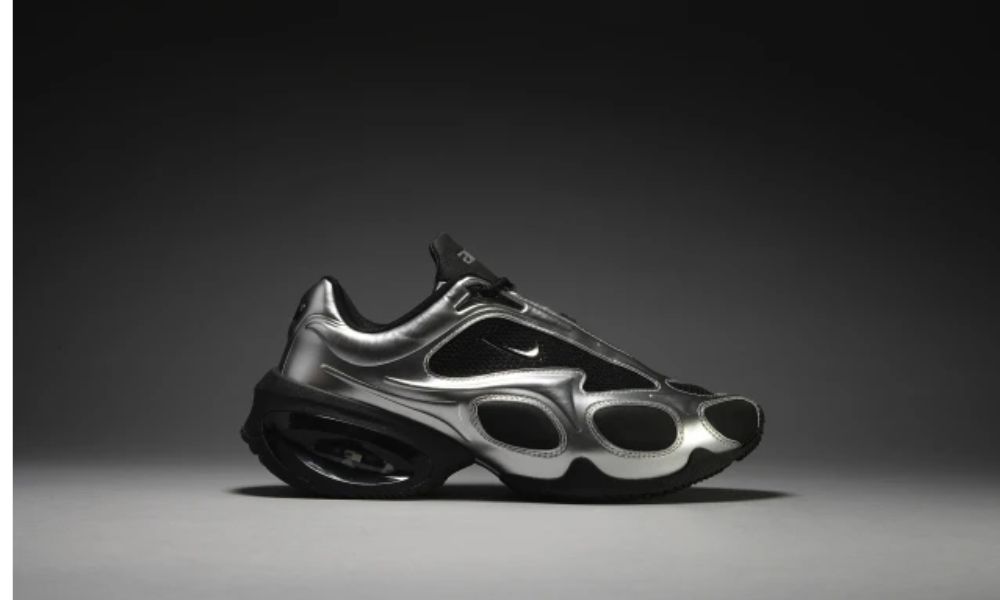
In 2023, Nike reported a profit of $1.58 billion on $13.39 billion in revenue. Elliott Hill said, “We’re taking immediate action to reposition our business, so we can get back to driving long-term shareholder value.” He has implemented several new initiatives as a part of Nike’s profitability strategy to return Nike to growth and take back its stance as one of the best athlete apparel brands.
Nike’s Profitability Strategy: What’s Ahead?
During his opening remarks, Hill sharply criticized the strategies of his predecessor, John Donahoe. He highlighted that too much focus was placed on driving online sales, performance marketing, and distancing wholesale partners. Hill acknowledged that these moves strained relationships with key partners and emphasized efforts to rebuild trust with them moving forward.
Hill addressed a criticism Nike has faced in recent years: that the brand had drifted away from its core identity of athletes and performance. This shift allowed competitors like Asics, On Running, and Hoka to gain market share. Hill admitted, “We lost our obsession with sport,” emphasizing that relying on a few sportswear styles doesn’t define Nike.
Nike to Reduce Sneaker Sales
Considering the reliance on sportswear, it appeared that Hill was talking about the three key franchises, Air Jordan 1s, Air Force 1s, and Dunks. For several years, these franchises were running the sales but the production of these shoes increased significantly which made it common and comprised a unique factor. Nike is working to reduce its supply, which could impact short-term sales but is expected to have little effect on long-term performance.
Nike Stock Performance
Nike shares were down around 27% in 2024 as of December 18 afternoon, while the S&P 500 saw a similar 27% gain. Nike’s sales and stock have dropped over the past year, as executives plan to cut costs and shift focus to new products amid rising competition, especially from domestic and Chinese rivals.
Analysts are optimistic about the CEO change, believing that while Hill faces similar challenges as his predecessor, his experience could help drive Nike’s recovery.
With Elliott Hill’s leadership, Nike is repositioning itself to regain profitability and strengthen its brand identity. Despite short-term challenges like declining stock prices and intense competition, Nike’s focus on cutting costs and focusing on new products signals a promising long-term recovery strategy. Analysts are hopeful that Hill’s experience will help drive Nike back to growth.


