

The Rite Aid Bankruptcy is more than just another corporate collapse—it’s a reflection of a much larger problem plaguing the U.S. pharmacy industry. Once a reliable staple in American neighborhoods, pharmacies are now struggling to stay afloat amid falling prescription reimbursements, growing competition, and operational challenges. When Rite Aid filed for Chapter 11 in late 2023, and now again in 2025, it confirmed what many had feared: traditional drugstores are no longer immune to the sweeping changes shaking up the retail and healthcare sectors.
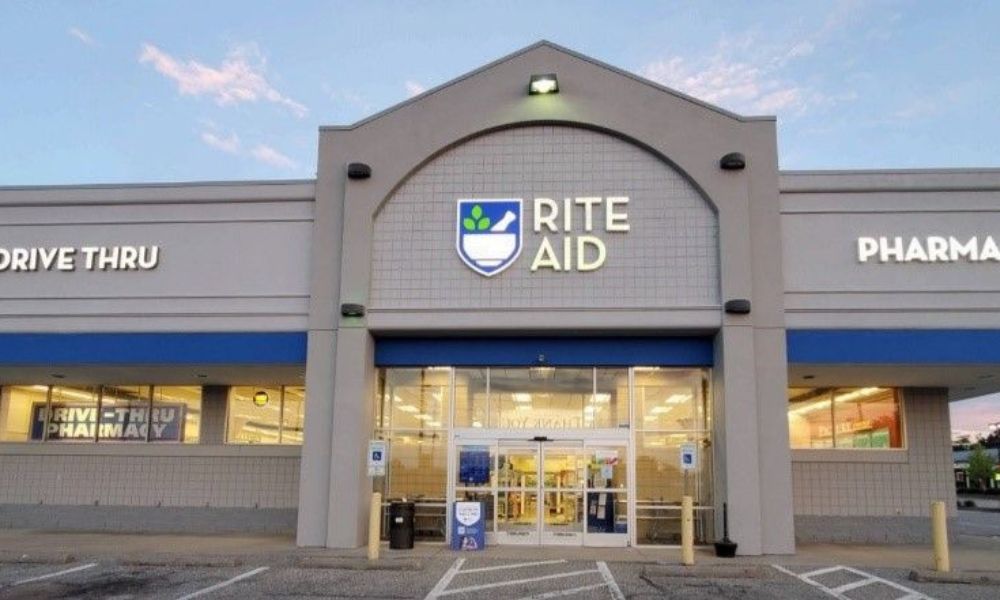
Rite Aid files for bankruptcy again, citing overwhelming debt, legal troubles from opioid-related lawsuits, and store underperformance. The company, which once boasted thousands of locations nationwide, has closed hundreds of stores in recent months and plans to shutter even more. As part of the restructuring plan, it aims to streamline operations and transfer prescriptions to remaining locations or competitors. But this isn’t just about Rite Aid’s failure—this is about an entire business model falling apart.
Rite Aid Files Chapter 11: Not an Isolated Case
When Rite Aid files for Chapter 11, it joins a growing list of pharmacy chains struggling to survive. Walgreens recently announced plans to go private while closing up to 1,200 stores. CVS isn’t far behind, with over 1,000 closures and thousands of layoffs across the country. These giants, once symbols of retail health dominance, are cutting back on physical locations due to declining foot traffic, lower sales, and higher operating costs.
The common thread? Traditional pharmacies are being squeezed from all sides. Rising wages, inventory losses from theft, and increasing pressure from digital competitors are eroding their margins. Rite Aid’s bankruptcy is not a one-off misstep—it’s a red flag for the industry at large.
Prescription Profits Are Shrinking
One of the root causes of this industry-wide strain is declining prescription reimbursements. Pharmacies are reimbursed by pharmacy benefit managers (PBMs) and insurance providers, but those rates have steadily dropped. That means drugstores earn less per prescription filled, even as medication demand remains strong.
To compensate, companies like Rite Aid and CVS have over-expanded, opening new stores near existing ones, hoping volume would make up for the margin loss. It didn’t. Now, many of these locations are underperforming, and chains are left with bloated footprints they can no longer support. It’s no surprise that Rite Aid files for bankruptcy amid this failed expansion strategy.
Amazon, Target, and the Rise of Retail Disruption
The future of Rite Aid is also clouded by the changing habits of consumers and rising retail disruption. Amazon Pharmacy is now delivering medications to homes with ease, often at lower prices and with added convenience. Target and Walmart offer in-store pharmacy counters while benefiting from higher non-pharmacy sales, creating a one-stop shop experience that traditional pharmacies can’t compete with.
Big-box and e-commerce players are not just entering the space—they’re redefining it. They have better logistics, larger scale, and more diversified revenue streams. Meanwhile, standalone pharmacies like Rite Aid have struggled to evolve fast enough to meet these new demands.
The Convenience Store Model Backfires
To drive more foot traffic and improve profits, many pharmacies shifted toward a convenience store model, adding snacks, beauty products, and seasonal goods to their shelves. But this pivot has brought its own set of challenges. Inventory shrinkage, especially from theft, has ballooned. Managing non-pharmacy goods has increased costs, and margins on general merchandise remain thin.
Instead of reviving profitability, this model diluted the core focus of these stores. Customers seeking prescriptions now find cluttered aisles and understocked pharmacies. It’s a strategy that promised diversification but ended up confusing brand identity and stretching operational resources too thin.
What’s Next for Rite Aid—and the Industry?
As Rite Aid files for bankruptcy again, it raises an urgent question: is there a viable path forward for traditional pharmacies? Rite Aid says it plans to emerge stronger, but its future hinges on cost-cutting, store closures, and a more focused business model. Still, it may be too little, too late.
The broader industry will need to rethink its purpose and positioning. Whether it’s through technology integration, smarter footprint management, or partnerships with healthcare providers, survival will require more than just prescriptions and paper towels.
If the future of Rite Aid holds any lesson, it’s that the old pharmacy model—built on high-volume prescriptions and neighborhood accessibility—is no longer sustainable in today’s competitive and digital-first world.


