

WeightWatchers is on the verge of declaring bankruptcy, preparing to hand over control of its business to creditors. According to the Wall Street Journal, the company is facing a financial crisis because of a significant increase in the demand for weight loss pharmaceutical products. WeightWatchers is struggling under a massive $1.6 billion debt, making it hard for the health and wellness giant to stay afloat.
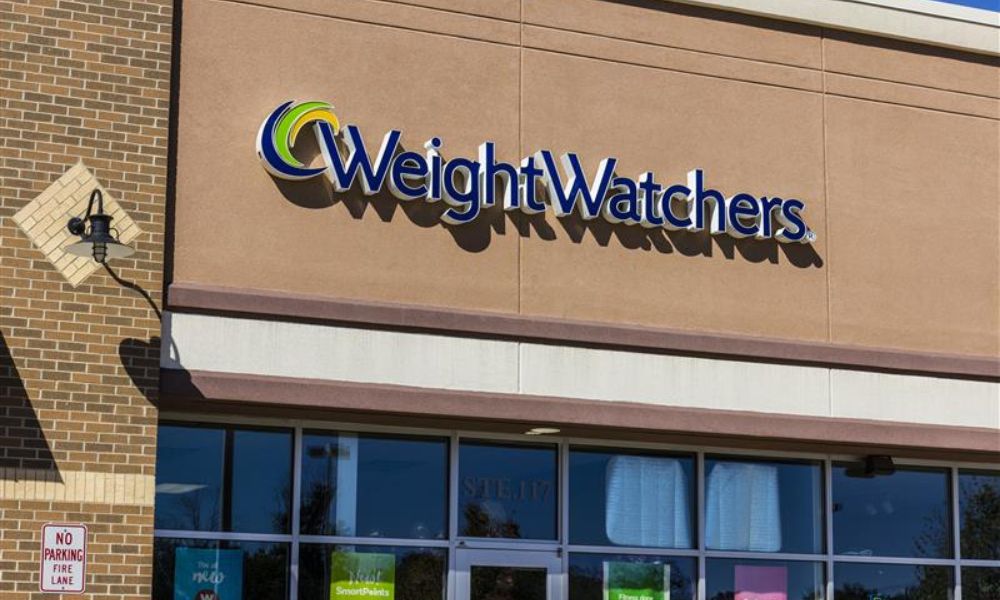
As per reports, the health and wellness company consistently consider several options with the lenders and shareholders. New weight-loss drugs like Ozempic and Wegovy are shaking up the market, challenging Weight Watchers’ old business model of selling low-calorie foods and diet advice to those looking to shed pounds.
WeightWatchers Collapse – Plans to File for Bankruptcy
WeightWatchers bankruptcy report is the prime example of the changing dynamics of the weight-loss industry. Earlier, weight loss involved structured plans and wellness programs, but now pharmaceutical drugs have largely taken their place. The company’s share price plunged by 89% to 18 cents in the afternoon trading on April 9. Founded in 1963, WeightWatchers has been a top brand in weight loss and diet programs for decades.
WeightWatchers’ stock, which hit $100 in 2018, dropped significantly last year as the company dealt with falling revenues, money concerns, and Oprah Winfrey stepping down from its board. The company is in talks with lenders and bondholders, according to the WSJ, and the restructuring isn’t linked to the market crash or trade issues from the US government’s tariffs.
The Fall of a Health Giant: What Led to WeightWatchers’ Bankruptcy?
Once the undisputed leader in the weight-loss industry, WeightWatchers now finds itself struggling with the financial crisis of a potential bankruptcy. While the company was once synonymous with dieting success, its inability to adapt to modern weight-loss trends has caused its dramatic downfall.
A major factor contributing to WeightWatchers’ bankruptcy is the rise of weight-loss drugs like Ozempic and Wegovy. These medications offer rapid results, which have become increasingly popular among people looking for a quicker fix to obesity. With weight-loss drugs in high demand, WeightWatchers’ traditional business model, based on slow, steady lifestyle changes and calorie-controlled food products, is no longer enough to keep customers engaged.
Despite efforts to rebrand and restructure, the company is still reeling from significant revenue declines. The $1.6 billion debt is just one part of the problem. Another blow came with the departure of Oprah Winfrey from its board of directors. Once a key figure in promoting the brand, Winfrey’s exit has shaken the public’s confidence in WeightWatchers’ future.
What Other Health Businesses Can Learn from WeightWatchers’ Struggles?
WeightWatchers’ collapse offers vital lessons for other businesses in the health and wellness sector. First, adaptation is essential. The swift rise of weight-loss medications like Ozempic shows that people now expect fast results. Health companies need to stay in tune with changing consumer preferences or risk becoming obsolete.
Second, innovation is key. Relying too heavily on an established brand identity can be dangerous if a company doesn’t continuously update its offerings. WeightWatchers’ decline highlights the importance of staying innovative and offering products or services that cater to today’s market demands.
WeightWatchers’ bankruptcy isn’t just a wake-up call for one company—it’s a lesson for the entire health and wellness industry. To survive, businesses must evolve, embrace change, and anticipate their customers’ shifting needs.


