The landmark Samsung chip deal, valued at a staggering $16.5 billion, has captured global attention and marked a major moment for the semiconductor industry. This massive contract, announced on July 28, marks one of the largest single foundry agreements in the company’s history and is expected to accelerate its momentum in the ultra-competitive chip manufacturing space.
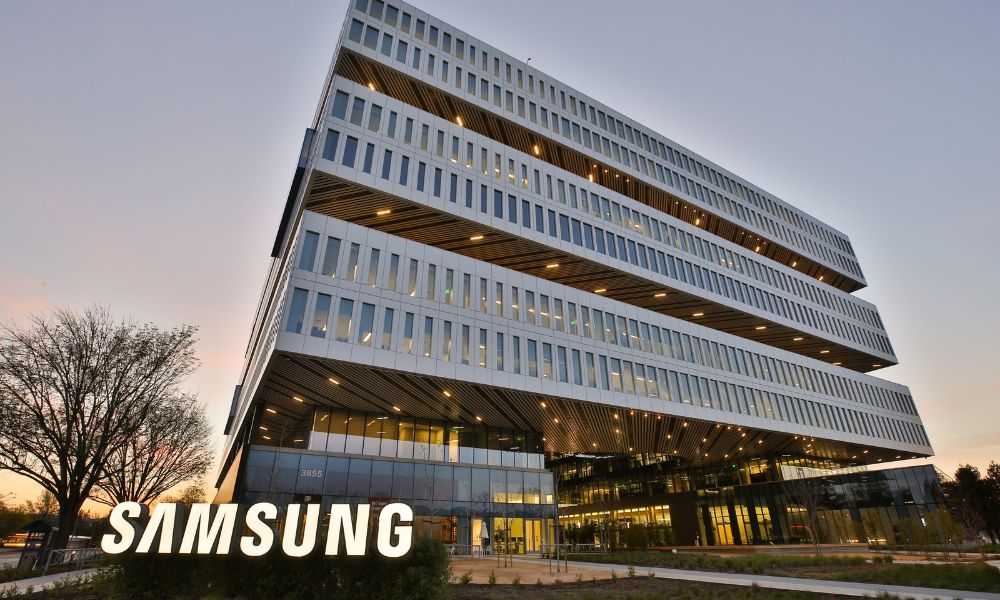
While the tech giant hasn’t officially confirmed the client, industry analysts and investors are pointing fingers at two strong contenders: Tesla and Qualcomm. Both companies rely heavily on advanced semiconductors, and either would be a natural fit for Samsung’s cutting-edge foundry capabilities. The Samsung $16.5B deal not only reflects growing demand for customized chips but also repositions Samsung as a serious rival to Taiwan’s TSMC.
A Strategic Leap in the Foundry Wars
The Samsung chip deal couldn’t have come at a more critical time. With geopolitical uncertainties, shifting supply chains, and global chip shortages over the past few years, major tech and automotive firms are scrambling to secure future capacity. Samsung’s foundry unit, often overshadowed by its memory chip business, has been aggressively expanding to meet this demand.
This deal is expected to span multiple years and involve Samsung’s advanced 3-nanometer process technology. That’s the same tech Samsung hopes will give it an edge over TSMC, the world’s largest contract chipmaker. While many speculate that Tesla’s chip supply needs could be behind the deal, Qualcomm’s history of diversifying its foundry sources also makes it a strong candidate.
Tesla, Qualcomm, or Someone Else?
The rumor mill is spinning fast, but the two most talked-about names are Tesla and Qualcomm. Elon Musk himself has hinted at a Samsung Tesla partnership, and recent statements suggest that Samsung is a top contender to supply chips for Tesla’s next-gen vehicles. These chips would support AI, infotainment, and autonomous driving technologies, all of which require top-tier semiconductor design and fabrication.
On the other hand, Qualcomm has long needed more foundry partners as it battles capacity limits at TSMC. Qualcomm is also a major client of Samsung’s foundry business, using its services to manufacture high-performance mobile and networking chips.
Whichever company turns out to be the buyer, the implications of the Samsung chip deal will ripple through the semiconductor and tech ecosystems.
A Boost for Samsung Stock and Global Influence
The announcement of this record-setting contract provided an immediate boost to Samsung stock, which rose nearly 4% in intraday trading following the news. Investors view the deal as a major validation of Samsung’s multibillion-dollar investments in foundry technology, particularly in South Korea and Texas.
This win comes as Samsung continues its efforts to close the gap with TSMC, especially in the premium chip sector. With global demand for high-performance, low-power chips expected to skyrocket—thanks to AI, 5G, and electric vehicles Samsung is betting that its foundry division will become a pillar of its future revenue growth.
Industry analysts also note that this deal could drive further long-term partnerships with leading tech companies, solidifying Samsung’s role in future innovation cycles.
The Bigger Picture: Tech, Trade, and Transformation
Beyond the numbers, the Samsung $16.5B deal highlights a growing trend in tech: companies securing their supply chains amid political tension and rising demand. Tesla, for example, has previously faced chip shortages that forced it to rewrite vehicle firmware and delay deliveries. Having a robust and direct relationship with a chip manufacturer like Samsung could give it more control over production timelines and product features.
For Samsung, this is a clear statement of intent. With rising capital expenditure in foundry facilities and aggressive hiring in engineering talent, the company is staking its claim as not just a memory leader but a full-stack semiconductor powerhouse.
A Game-Changer in Global Chips
The Samsung chip deal is more than just a dollar figure; it’s a clear signal of where the industry is heading. Whether the mystery client is Tesla, Qualcomm, or another tech titan, the scale and scope of this agreement put Samsung firmly back in the spotlight.
If this deal delivers on its promise, it will reinforce the Samsung Tesla partnership or other key alliances and could shift the global balance of power in the chipmaking world. For now, investors and competitors alike will be watching closely as Samsung turns this massive contract into a milestone of execution and innovation.