AI overviews impact how search results are displayed and how users interact with brands online. In the era of Google’s generative summaries, traditional ranking strategies must evolve. These overviews often summarize top results directly on the page, bypassing clicks to websites and reshaping SEO dynamics.
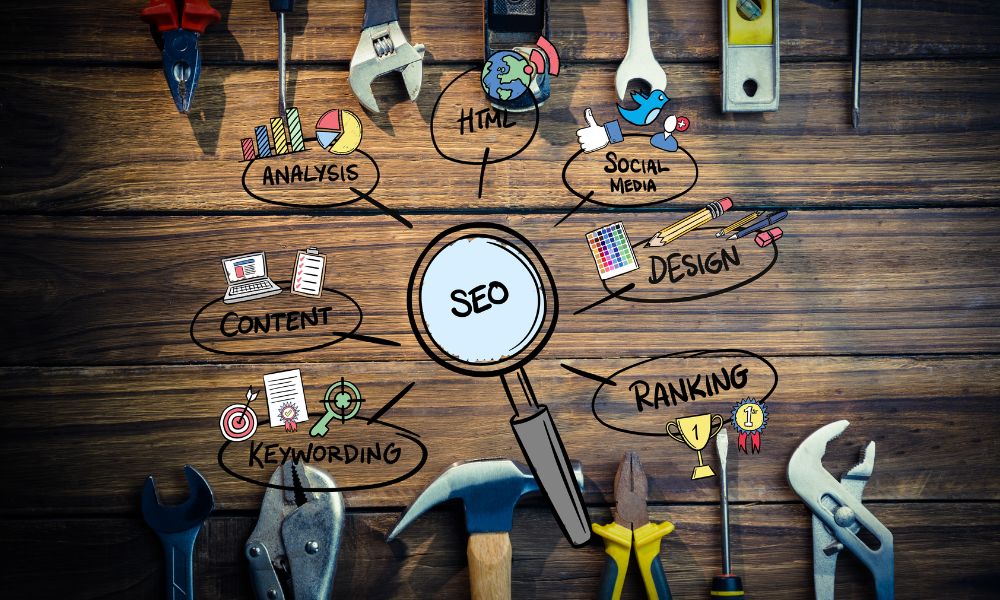
From click-through rate drops to heightened attention on authority signals, the AI overviews’ impact is profound. Businesses must rethink content structure, keyword targeting, and trust-building. This deep dive reveals how these changes affect visibility, branding, and what the future of SEO looks like in this new AI-driven landscape.
How AI Overviews Change the SEO Game
Google’s AI Overviews, rolled out widely in 2024 and evolving rapidly in 2025, now dominate top-of-page search real estate. These overviews provide users with concise, AI-generated answers sourced from multiple high-authority sites. As helpful as this is for users, it marks a dramatic shift in how websites attract organic traffic.
Websites that once depended on ranking in the top 3 search positions are now fighting for mentions within these AI summaries. This not only affects visibility but also challenges how businesses define SEO success in an AI-first world.
Why the AI Overviews Impact Matters to Your Brand
Being featured in an AI Overview doesn’t always guarantee a click, but it does build brand credibility and visibility. Inclusion in these snippets puts your business in front of millions of users, establishing trust even without a direct visit to your site.
AI overviews prioritize authority, which means newer or less optimized brands risk being excluded. The bar is higher, and the need for trustworthy, structured, and informative content is critical. Here’s how that shift is showing up across industries:
- Click-through rates (CTR) are decreasing, especially for informational queries. Brands may see as much as a 70% drop in CTR on certain queries when their pages are summarized in AI.
- Brand mentions in overviews matter. Even if a user doesn’t click, your name appearing within the AI summary can enhance credibility and trust.
- Generic content is no longer enough. AI selects the most informative and reliable content, often from sites with strong E‑E‑A‑T signals and schema-rich structures.
Rethinking SEO Strategy: From Rankings to Relevance
As AI overhauls rewrite the rules, SEO professionals must adopt new strategies that prioritize content quality, technical accuracy, and real-world value. Traditional tactics, such as stuffing keywords or chasing backlinks, aren’t enough.
To remain relevant and visible in the AI-enhanced SERPs, your business needs to align with what the AI finds most useful, authoritative, and easy to summarize.
Here’s how to evolve your SEO approach:
- Use structured data and schema markup to make content easy for AI to extract and summarize.
- Prioritize long-tail and conversational keywords that better align with natural-language AI prompts.
- Focus on authoritativeness by highlighting real people, credentials, and experience across your content.
Brand Building in the AI Era: The New Rules of Visibility
While search traditionally funneled users to websites, AI overviews are now reshaping brand perception before users even click. If your business is mentioned in a summary, that mention becomes part of your brand identity, whether or not users visit your site.
To ensure your brand is recognized and trusted within AI overviews, focus on the following:
- Publish content with clear authorship and credentials. Google’s systems favor content that shows expertise and authority.
- Get cited by reputable sources. Mentions in articles, interviews, or guest blogs on credible domains increase your chances of appearing in overviews.
- Maintain consistency across platforms. Your branding, from name to visual style to messaging, should remain consistent across your website, social media, and business listings.
These shifts make reputation management and content quality more vital than ever.
Adapting for the Future: Your AI-Optimized SEO Checklist
As we shift toward generative AI dominating search results, businesses can no longer rely solely on old-school SEO methods. The future of SEO demands a new kind of strategic thinking, one that blends traditional SEO foundations with modern AI-oriented tactics.
SEO Shifts and How to Respond
Before jumping into the pointers, let’s clarify: this is not about ditching SEO, it’s about evolving it. The landscape has changed, but your ability to adapt will determine how well your brand competes moving forward.
- Decreasing CTR? Double down on branded visibility.
Even if people aren’t clicking, being named in AI overviews boosts trust and recognition. - AI skipping your site? Strengthen E‑E‑A‑T signals.
Focus on demonstrating experience, expertise, authority, and trustworthiness in every article and landing page. - Generic queries failing to convert? Use long-tail, conversational key phrases.
AI overviews thrive on specificity. Optimize for user intent with question-based headers and in-depth answers. - Old strategies falling flat? Adopt hybrid approaches: SEO + AEO + GEO: Combine traditional SEO with Answer Engine Optimization and Generative Engine Optimization to future-proof your strategy.
- Overly reliant on Google? Expand your visibility: Use podcasts, YouTube, TikTok, and newsletters to reach users beyond the Google search funnel.
Moving Ahead with Confidence: Reclaiming Control in a Generative World
AI isn’t going away; it’s evolving rapidly. Rather than fearing the impact, businesses must learn to work with it. Yes, traffic patterns are shifting. Yes, competition is fiercer. But the opportunities to enhance branding, visibility, and long-term authority are just as real.
As AI overviews continue to shape the future of SEO, businesses that respond with high-quality content, transparent branding, and adaptive strategies will stand out. SEO now lives beyond rankings; it’s embedded in how people perceive your value before they even land on your site.
Take control of your digital presence by optimizing for visibility within AI overviews, not just next to them. Be the brand that users recognize, trust, and remember even when AI is doing the talking.