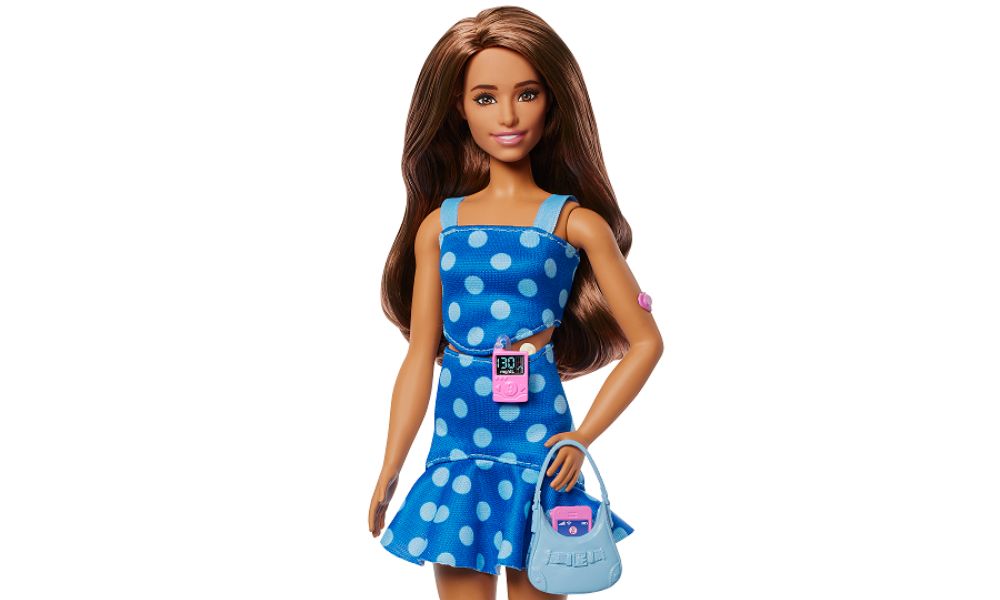
Barbie has consistently mirrored societal shifts, and the launch of the Barbie type 1 diabetes doll marks another milestone. This innovative doll comes equipped with a realistic continuous glucose monitor (CGM), insulin pump, and heart-shaped medical tape, all crafted in iconic Barbie pink. Developed alongside Breakthrough T1D experts, its accessories convey authenticity and support for children managing the condition.
This launch is about more than aesthetics; it’s a bold declaration that representation matters. As the Barbie diabetes doll hits store shelves and online platforms, the attention extends beyond families to investors. The announcement even boosted buzz around Mattel stock, signaling how inclusive design can drive both empathy and financial interest.
Designing a Doll with Real Purpose
The new Barbie T1D Doll showcases meticulous attention to medical details. Working with Breakthrough T1D, Mattel ensured the CGM, insulin pump, and adhesive were accurate. This thoughtful design aims to help kids see their daily realities reflected in play. When a child with Type 1 diabetes holds this doll, it’s more than a plaything; it’s a reminder that managing health is normal.
Accessories, like the heart-shaped medical tape, serve a dual role. They educate peers about life with diabetes and make the doll feel like a true companion. The presence of these medical items, styled in Barbie’s signature aesthetic, normalizes chronic illness without sacrificing fun.
Expanding Inclusion Through Play
Representation in play is powerful. Mattel has previously introduced dolls with mobility aids and Down syndrome, but this marks their first foray into invisible disabilities. The first diabetic Barbie doll embraces this gap, addressing a community often underrepresented in toys.
By giving children with Type 1 diabetes a doll who understands their experience, Mattel nurtures self-esteem and visibility. Simultaneously, other children, parents, and educators gain insight into the nuances of T1D care. Learning through play becomes a tool for empathy.
Voices that Give Context
Barbie didn’t launch this effort alone; real advocates are part of the campaign. Peloton instructor Robin Arzón and model Lila Moss, both living with Type 1 diabetes, joined the project. Arzón’s doll includes her branded fitness gear, while Moss brings her unique background to the UK release of the Barbie diabetes doll.
Their participation enhances authenticity and global appeal. Their stories make this more than a novelty; it’s an informed, heartfelt initiative rooted in lived experience.
Market Momentum and Brand Strategy
The Barbie type 1 diabetes doll’s debut sparked widespread media coverage, from USA Today to The Guardian, spotlighting the doll’s medical accuracy and emotional impact. The announcement also reignited interest in Mattel stock, showing investors that socially conscious innovations can resonate financially.
Mattel’s embracing of diverse representation sends a clear message: inclusion isn’t just nice, it’s smart business. As families increasingly align with brands that reflect their values, diversity becomes a market advantage, not just a moral stance.
What This Means for Both Play and Business
- For children: A doll that mirrors their health journey offers reassurance and pride. It also fosters understanding among children without diabetes, building empathy early on.
• For parents and educators: The Barbie T1D Doll becomes a springboard for conversations about health, self-care, and acceptance.
• For Mattel: This signifies a strategic evolution moving beyond accessory variety toward deeper emotional connection and social impact.
• For investors: The positive uptick in Mattel stock highlights market appetite for purpose-driven products. It exemplifies how inclusive innovation can deliver returns.
Mattel’s commitment continues as fans hope to see dolls representing other health journeys, be it asthma, autism, or organ transplants. Launching the Barbie type 1 diabetes doll may only be the beginning.