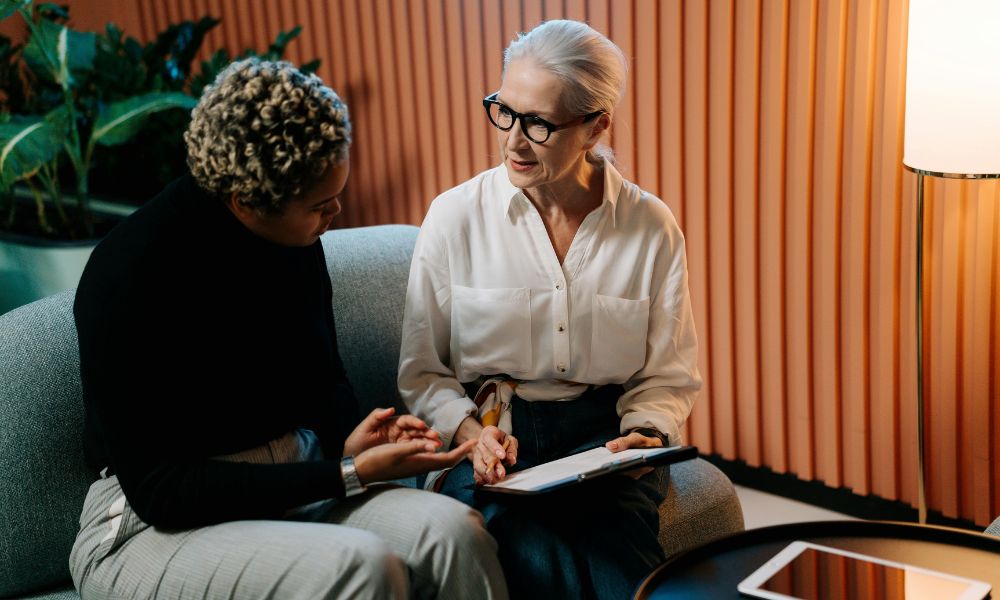
Have you ever thought about how a CEO’s outfits affect how their employees see them and their company? Gone are the days when top executives were expected to wear tailored suits and ties every day. Instead, many CEOs are opting for a more casual dress code. A quiet revolution is underway in the grand theater of corporate leadership, where tailored suits and polished shoes have traditionally symbolized power dynamics.
What’s a modern boss to wear to work? Post-pandemic things have got a lot more informal, with casual comfort-wear on the rise. Suits appear to be on the wane. But should the person at the top dress to reflect this trend too? One can definitely see a subtle shift from suits to sweatshirts in the corridors of executive power?
CEO casual attire trend
Business casual has become the standard in many work environments in recent years but there is no general agreement on the definition of the term itself, ‘business casual’ seems to be reliant in finding the right meaning based on several factors; industry, company, number of employees, culture, internal role versus customer facing, geography, climate, local culture, age and probably a whole lot more.
But we all know someone, in the workplace, that seems to be confident in whatever they are wearing. Capable of carrying a presentation, a meeting, a conversation regardless of how the clothes that they are wearing fit, or perhaps align, to what the others in the same presentation, meeting or conversation are wearing. They have in some ways transcended ‘business casual’ or even ‘business formal.
CEO attire shift towards casual
Traditionally, corporate leaders dressed formally to convey professionalism, authority, and success. The classic image of a CEO in a suit and tie was a symbol of power and respect. However, this has changed significantly over the past few decades.
The shift towards casual attire among CEOs is reflective of broader changes in corporate culture. Companies are increasingly valuing innovation, creativity, and a more relaxed work environment. This cultural shift is particularly evident in tech companies, where casual dress codes are more common.
Why a shift in the boardroom attire?
There is a clear shift in the CEO’s attire from formal to a more casual or semiformal dressing. Let’s look at the reasons for the CEO casual attire trend
Relatability and comfort
One of the main reasons CEOs dress casually is comfort. Comfortable clothing can enhance productivity by allowing individuals to focus on their work without the distraction of restrictive clothing. This is particularly important for CEOs, who often work long hours and need to stay comfortable throughout the day.
Dressing casually can make CEOs appear more relatable and approachable to their employees. A more relaxed dress code can help break down barriers between executives and their teams, fostering a more inclusive and collaborative work environment. This approachability can enhance communication and improve overall company morale.
Company’s value
Many CEOs dress casually to reflect their company’s values and culture. For example, tech companies like Apple and Facebook, known for their innovation and forward-thinking approaches, have leaders who often dress in casual attire. This alignment between a CEO’s appearance and the company’s values can strengthen the brand’s identity.
Impact of dress code on corporate culture
Casual dress codes can encourage a more innovative and creative work environment. When employees are not constrained by formal dress codes, they may feel more comfortable expressing their ideas and taking risks. This can lead to increased creativity and innovation within the company.
The casual dress code of CEOs can also change employee expectations. When the top executive sets a precedent for casual attire, it can create a more relaxed dress code for the entire company. This can improve employee satisfaction and create a more positive work environment.
Case studies of successful businesspeople
Through their unique leadership styles and strategic insights, they have steered their organizations to new heights, leaving an indelible mark on the global business landscape. Here is a list of successful businesspeople who have given up the suit and tie, and rock Friday Dressing at the workplace.
Sir Richard Branson
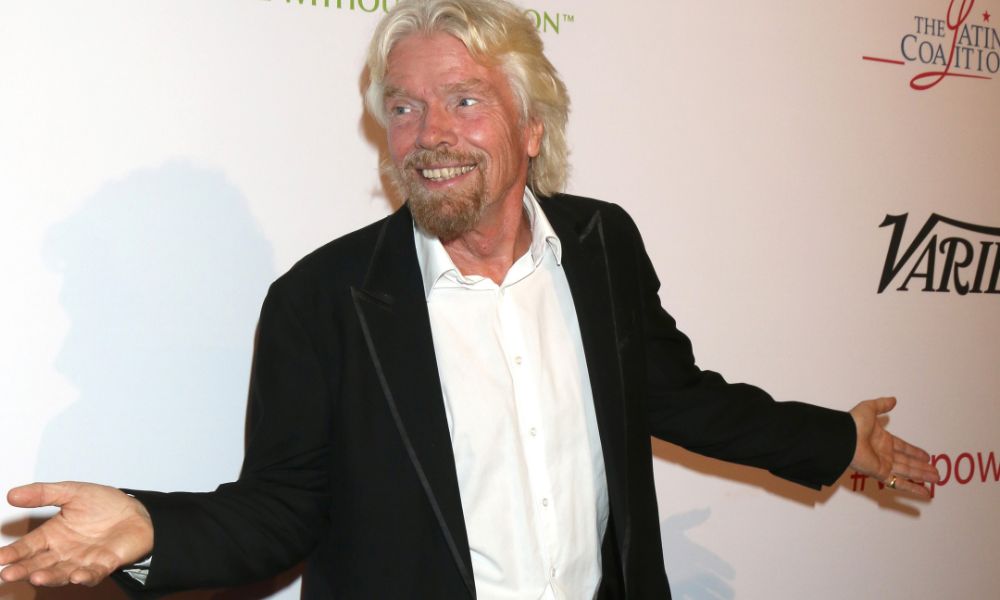
Sir Richard Branson is undoubtedly UK’s most successful entrepreneur. He is more popular for his relaxed approach to workwear than for razor-sharp suits. He has aced the art of carrying an open-necked shirt and dressed-down blazer and trousers combination like a pro. Sir Richard Branson is taking casual business wear to new heights.
Mark Zuckerberg
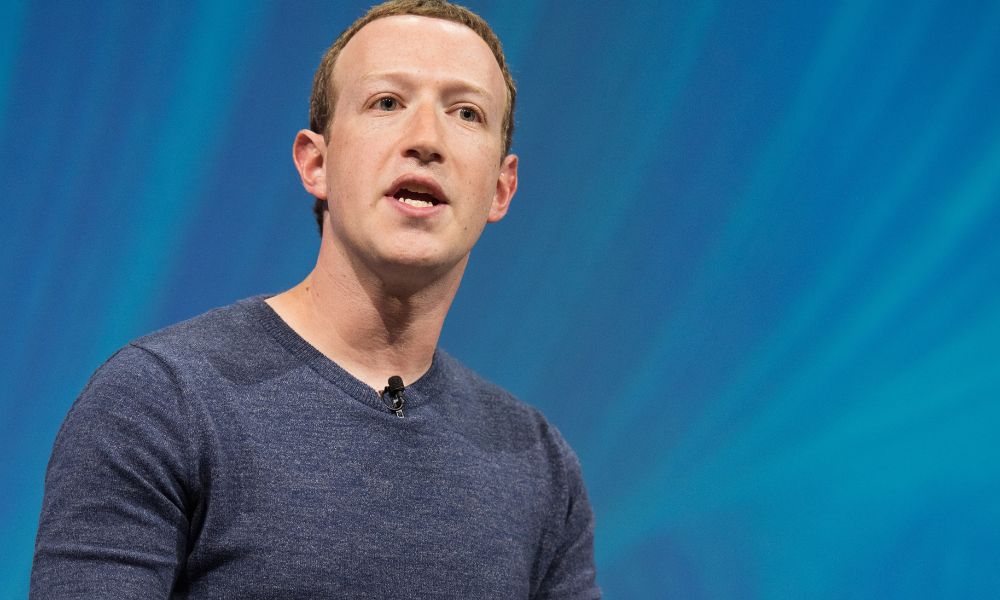
Mark Zuckerberg, the CEO of Facebook, is well-known for his casual attire, often seen wearing a simple T-shirt and jeans He’s usually seen in a grey tee and a pair of comfortable fit jeans. This casual style is pervasive across Facebook, whose offices resemble a college campus more than gigantic Multinational Corporation. His casual dress reflects the innovative and informal culture of Facebook. It also aligns with his personal brand of being a down-to-earth and relatable leader.
Steve Jobs
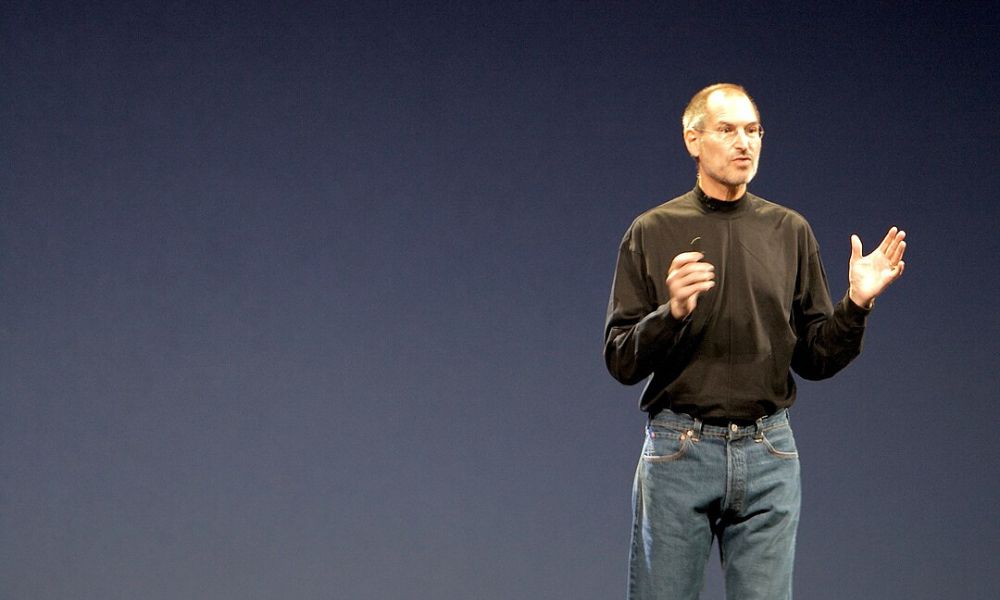
Steve Jobs, the late co-founder and CEO of Apple, famously wore black turtlenecks, jeans, and sneakers. Jobs chose his uniform of New Balance sneakers, classic jeans and an Issey Miyake black turtleneck in order to reduce his persona to spotlight the product and not overshadow the brand. His iconic casual look became synonymous with Apple’s brand, representing simplicity and innovation. Jobs’ attire reflected his belief in focusing on creativity and productivity rather than adhering to traditional corporate norms.
Elon Musk
Elon Musk, the CEO of Tesla and SpaceX, often opts for casual clothing, even in formal business settings. His casual dress mirrors the forward-thinking and unconventional approach of his companies. Musk’s attire reflects his focus on groundbreaking innovation and his desire to challenge the status quo.
The future of CEO attire
The trend of casual attire among CEOs is likely to continue evolving. As corporate cultures become more inclusive and focused on innovation, the need for formal dress codes will likely diminish. Future CEOs may embrace even more relaxed and diverse styles of dress.
While the trend towards casual attire is growing, it is essential for CEOs to strike a balance between professionalism and comfort. Depending on the industry and company culture, some degree of formality may still be necessary to maintain a professional image.
The trend of CEOs dressing casually is a reflection of broader changes in corporate culture. Comfort, relatability, and alignment with company values are key reasons why many top executives are opting for casual attire. This shift is impacting corporate culture by encouraging innovation, changing employee expectations, and fostering a more inclusive work environment. As the business world continues to evolve, the way CEOs dress will likely continue to adapt to new cultural norms and values.
Embracing the casual revolution
As there is rise of the casual CEO, one should understand that this is more than a fashion statement; it’s a cultural shift in the business world. By viewing suits as armor, attire as a language, professionalism as a redefinable canvas, hierarchical barriers as walls to be broken, the tech CEO aesthetic as a symbol of innovation, and casual wear as the power of flexibility, we’re not just witnessing a wardrobe change; we’re witnessing the transformation of leadership itself.
Today’s new age leaders do not want to be confined by the expectations of the past. By understanding the language of attire, they want to dress up for authenticity, adaptability, and a redefined vision of leadership. CEO attire revolution is an invitation to rewrite the script of corporate leadership, with open collars and comfortable confidence.