For the world’s most powerful business leaders, success doesn’t begin at the boardroom table; it often starts with a morning workout. CEO fitness isn’t just a trend; it’s a strategy. As leadership roles demand mental clarity, resilience, and sustained energy, physical fitness has emerged as a non-negotiable component of daily life for top executives.
From tech moguls and media giants to finance leaders and founders, the link between physical fitness and high performance is clear. CEO workout habits are less about building muscle and more about building discipline, clarity, and the stamina to perform at the highest level every single day.
Why CEO Fitness Is Non-Negotiable
What is it that draws high-level executives toward exercise? The truth is, CEO fitness offers advantages far beyond the physical. For CEOs, exercise is a tool to optimize their mental and emotional performance, regulate stress, and maintain control of their busy, high-stakes schedules.
Benefits of CEO Fitness
The benefits of CEO fitness extend into several crucial areas:
- Enhanced mental clarity: Regular exercise improves cognitive function, helping executives make sharper decisions.
- Stress relief: Exercise acts as a natural stress reliever, reducing cortisol and increasing endorphins.
- Increased productivity: Morning workouts set the tone for the day, instilling focus and structure.
- Stronger discipline: Commitment to a workout schedule mirrors the discipline required to run a company.
- Improved sleep and recovery: Good sleep is critical to executive function, and fitness supports healthy rest cycles.
Moreover, executive exercise habits help maintain energy levels throughout the day, especially when managing high-pressure situations. CEOs often treat their fitness routines with the same seriousness as an investor meeting. It’s part of their success formula.
Morning Routines of Fit CEOs
Mornings are sacred for many successful leaders. Fitness in the early hours helps establish a sense of control before the chaos of the day unfolds. From yoga to high-intensity training, the common thread is consistency.
Tim Cook – Apple
Apple CEO Tim Cook is known for rising before 5 a.m. to hit the gym. His workouts include cardio and strength training, and he uses this early time not just to break a sweat, but also to reflect and prepare mentally for the day. For Cook, why CEOs exercise is simple: “You can’t lead well if you’re not sharp, physically and mentally.”
Richard Branson – Virgin Group
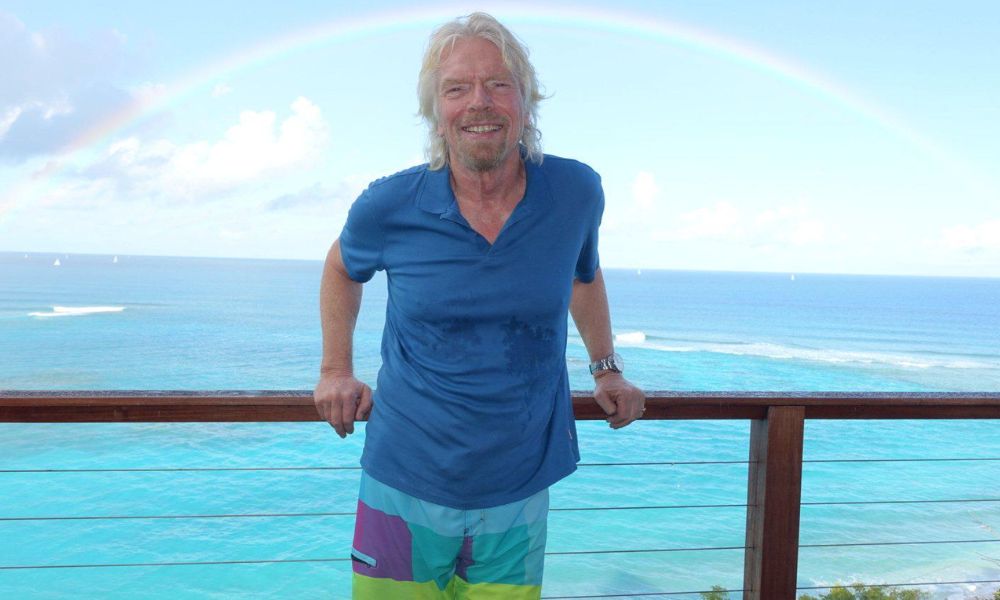
Richard Branson swears by his early-morning routine. Whether it’s kitesurfing, tennis, or biking around his private island, Branson credits his active lifestyle with giving him at least four extra hours of productivity each day. “I definitely can achieve twice as much by keeping fit,” he once said.
Elon Musk – Tesla, SpaceX
While Elon Musk has famously said he dislikes cardio, he still prioritizes weightlifting and splits his workout routine with multiple days of strength training. Musk often fits his workouts into his demanding schedule, reinforcing the idea that executive exercise habits must be efficient and adaptable.
CEO Workout Habits That Build Resilience
Routine breeds resilience. The consistency of a workout routine can become a cornerstone of personal discipline. For CEOs constantly in decision-making roles, daily exercise helps reinforce habits of mental toughness, persistence, and emotional regulation.
Jack Dorsey – Former CEO of Twitter & Square
Jack Dorsey has long been known for his unconventional routines. He walks five miles to work and meditates for up to two hours daily. His fitness habits also include high-intensity interval training (HIIT) and ice baths, which he claims help boost his resilience and clarity. Dorsey’s lifestyle illustrates CEO workout habits that go beyond aesthetics and aim for complete mind-body alignment.
Sundar Pichai – Google
Sundar Pichai, CEO of Alphabet (Google’s parent company), practices mindfulness and prefers low-impact workouts like walking and using the treadmill. Pichai’s approach is more about sustainability than intensity, emphasizing that executive exercise habits must be personalized.
Mary Barra – General Motors
Mary Barra believes in starting the day strong. She incorporates brisk walks and moderate strength training into her routine. She also practices meditation to maintain calmness under pressure, a vital skill in the often turbulent automotive industry.
Exercise as Leadership Training
Exercise isn’t just about health, it’s a form of leadership development. Just like running a company, committing to a fitness plan requires vision, consistency, and adaptability.
How Fitness Mirrors Business Strategy
- Goal Setting: Just like business objectives, fitness goals require planning and execution.
- Discipline: Skipping a workout has a ripple effect much like skipping a strategic meeting.
- Adaptability: CEOs often travel or juggle unpredictable schedules. Flexible workout routines are necessary to maintain consistency.
- Accountability: Tracking progress, hiring trainers, or having workout partners mimics accountability structures in leadership teams.
This is where the benefits of CEO fitness shine most. CEOs use fitness as a testing ground for mental strength pushing through fatigue, overcoming limits, and showing up regardless of how they feel. These qualities inevitably reflect in how they lead teams and companies.
Building a Sustainable Fitness Routine for Busy Executives
Not every executive has a private gym or personal trainer. But most successful leaders share a few principles when it comes to integrating fitness into their lives.
Practical Fitness Tips from Top CEOs
- Schedule it like a meeting: Most CEOs block time for workouts as non-negotiable appointments.
- Keep it short but intense: A 30-minute session can be highly effective with the right intensity.
- Choose activities you enjoy: Whether it’s cycling, running, or martial arts, enjoyment builds sustainability.
- Mind-body connection: Incorporate mindfulness, yoga, or stretching to manage stress.
- Travel-proof your workout: Use resistance bands, mobile apps, or hotel gyms to stay consistent on the road.
These approaches reflect why CEOs exercise not just for health but to cultivate leadership stamina, emotional balance, and consistent energy.
The Bigger Picture: CEO Fitness and Company Culture
Interestingly, the fitness habits of CEOs often set the tone for their entire organization. When employees see leadership investing in their health, it promotes a culture of wellness across the company.
Healthier CEOs = Healthier Teams
- A fit CEO is more likely to champion wellness programs.
- Fitness-minded executives report better mood, which affects workplace morale.
- High-energy leaders inspire higher employee engagement and productivity.
It’s not surprising, then, that the ripple effect of CEO fitness creates stronger, more resilient teams. The personal discipline modeled by the executive team often trickles down into the performance culture of the entire organization.
Fitness Is the New Boardroom Power Tool
The stereotype of the overworked, out-of-shape executive is rapidly becoming outdated. Today, CEOs are not just expected to be strategic thinkers, they are expected to be resilient, energetic, and balanced. In that context, CEO fitness is no longer a luxury; it’s a leadership necessity.
Whether it’s a five-mile run, a high-intensity workout, or 20 minutes of yoga, executive exercise habits are helping leaders show up with more focus, sharper thinking, and deeper emotional control. As businesses grow more complex and the pace of change accelerates, the CEOs who prioritize fitness may not just live longer they may lead better.
So if you’re aspiring to lead at the highest level, take a cue from the top: the path to the corner office might just begin on a treadmill.