Darden Restaurants, the parent company behind casual dining giants like Olive Garden and LongHorn Steakhouse, has officially announced plans to exit its Caribbean-themed chain, Bahama Breeze. The Bahama Breeze sale will leave only 14 locations operating as the company searches for a buyer or potential strategic spin-off. This major decision marks a turning point for a brand that once had nearly 40 locations nationwide.
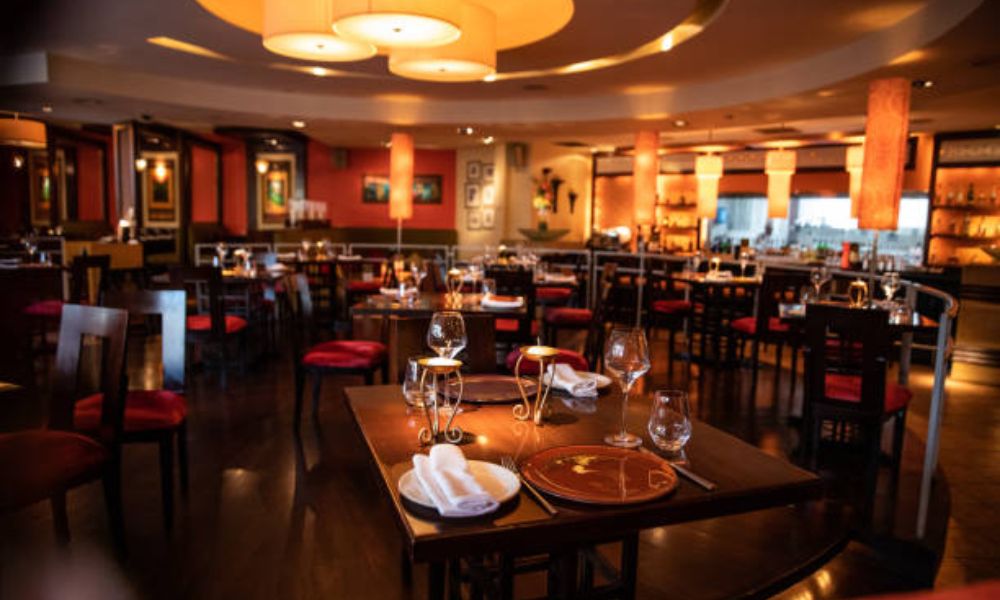
Launched in the mid-1990s, Bahama Breeze was known for its tropical flair, island-inspired menu, and vibrant cocktails. But as consumer tastes shifted and Darden restructured its portfolio, the brand has seen slower growth. Now, the company is actively looking to offload the Caribbean chain as part of a broader business reorganization.
Why Darden Is Spinning Off Bahama Breeze
The announcement of a Bahama Breeze spin-off comes at a time when Darden is streamlining its focus to optimize core brand performance. While chains like Olive Garden and LongHorn continue to post strong numbers, Bahama Breeze has lagged, especially in an increasingly competitive casual dining landscape.
According to Darden executives, the Caribbean chain does not align with the company’s long-term goals. “We’re looking at all strategic options,” said Rick Cardenas, Darden CEO, during a recent earnings call. “It’s about focusing on what we do best.” The Darden spin-off restaurant strategy is not new; similar moves have been made in the past with other underperforming concepts.
This decision also reflects the company’s broader attempt to allocate resources more efficiently, especially after recent acquisitions and brand expansions.
What’s Next for Bahama Breeze?
With the announcement now public, many are asking the same question: what’s next for Bahama Breeze? While Darden hasn’t confirmed a buyer, insiders suggest the company is in talks with private equity firms and smaller restaurant groups that might see value in reviving or repositioning the brand.
Analysts believe the remaining 14 Bahama Breeze locations could be rebranded or franchised out, depending on the outcome of the sale. Some locations have already closed quietly in recent months, indicating that the process has been in motion for some time. The move also opens the door for new restaurant concepts to fill the void in key markets.
The challenge will be in convincing investors or new owners that there’s still untapped potential in Caribbean-themed dining a niche that has struggled to scale nationally.
The Rise and Decline of Bahama Breeze
Bahama Breeze debuted in 1996 with an ambitious plan: bring the island experience to suburban America. The restaurants featured colorful décor, live music, and dishes like jerk chicken and seafood paella. For a time, it worked. Families, tourists, and happy hour regulars packed the patios.
However, as trends shifted toward fast-casual dining and more authentic culinary experiences, Bahama Breeze started to feel outdated. By the late 2010s, growth stalled. And while the chain maintained loyal fans, the broader public seemed to move on. Efforts to revive the brand through menu overhauls and seasonal promotions weren’t enough to restore long-term momentum. And now, with only 14 units left, the Bahama Breeze sale seems like a logical, if bittersweet, conclusion.
Impact on the Casual Dining Industry
The Darden spin-off restaurant strategy signals broader changes in how restaurant conglomerates are viewing their portfolios. With rising labor costs, shifting customer expectations, and the continued fallout from the pandemic, chains are under pressure to adapt or divest.
Darden’s move may inspire similar decisions from other restaurant groups, especially those carrying legacy brands with flat performance. It’s also a reminder that even established names aren’t safe from market realignment. For customers, the announcement may spark nostalgia and maybe a few last visits to savor a Coconut Mojito or Island Hopper appetizer before the lights go out.
The Final Chapter for Bahama Breeze
The Bahama Breeze sale may not come as a complete surprise to industry watchers, but it marks the end of an era for fans of the tropical-themed restaurant. With only 14 locations remaining and a spin-off in progress, Bahama Breeze will soon change hands or disappear altogether.
While Darden continues to build around its strongest performers, the company’s decision to offload the Caribbean chain offers a glimpse into the hard choices required in today’s restaurant economy. And as the industry waits to see what’s next for Bahama Breeze, one thing is clear: the dining landscape is evolving faster than ever.