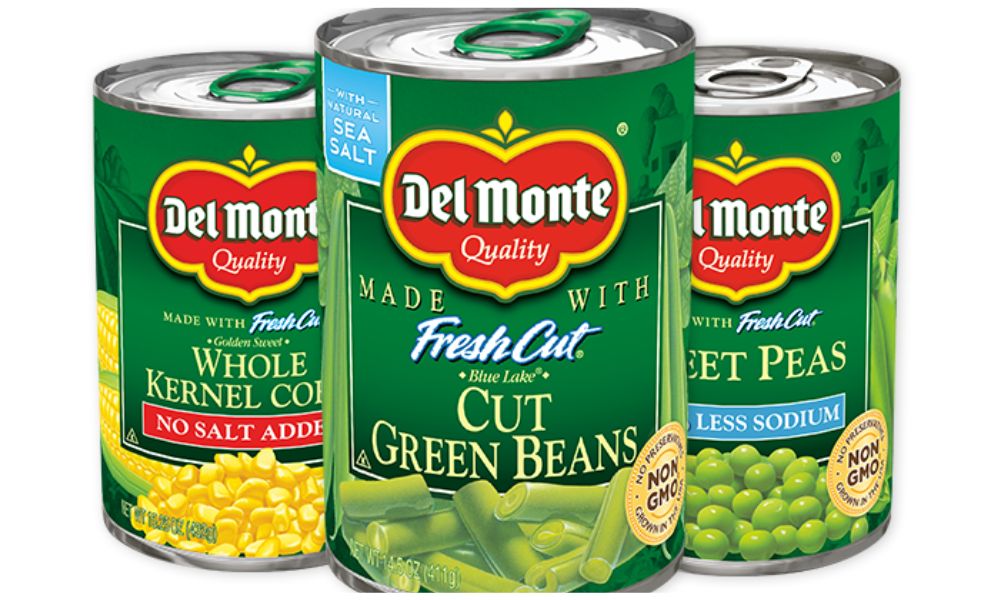
Del Monte bankruptcy is now official. Del Monte Foods has filed for Chapter 11 protection, marking a major shift for the beloved canned-food company. With years of strong heritage, this move came after mounting debt and changing customer behavior finally caught up with the brand. In its court filing, the company confirmed that it is entering bankruptcy to restructure and pursue a strategic sale, as U.S. consumers increasingly prefer fresh produce over canned staples.
This isn’t just about dollars on a balance sheet; the Del Monte bankruptcy reflects a broader change in how people choose food. Canned fruit and vegetables used to be pantry icons, but today’s shoppers rank freshness, health, and convenience far above preservatives. As Del Monte Foods navigates this new landscape, its leaders hope that business reorganization, combined with a search for buyers, will set the business on a path to recovery.
What Led to Del Monte’s Bankruptcy
Del Monte Foods files for bankruptcy after decades of steady operation. But a post-pandemic crash in demand left them with excess inventory and high holding costs. With interest expenses ballooning to over $125 million a year on more than $1 billion in debt, the company reached a breaking point.
After a contentious debt restructuring in 2024 prioritized some lenders, Del Monte Foods filed for Chapter 11 to manage its obligations under court supervision. The move also comes after tariffs increased tinplate and aluminum costs, squeezing profit margins further.
Pursuing Strategic Sale: Who Could Be Next?
With Del Monte Foods filing for bankruptcy as a Chapter 11 case, it’s now entering a court‑supervised sale process. The goal is to find a buyer for a strategic sale that keeps the business running and preserves value. Management has arranged $912.5 million in debtor-in-possession financing, including $165 million in new funding, to maintain operations during the sale.
The strategic sale won’t just offload the U.S. canned-food business. Del Monte’s search for buyers will include its brands like Contadina, College Inn, Kitchen Basics, and Joyba. Present and potential bidders include private-equity firms and food industry players who recognize value in its shelf presence and legacy.
Shifting Consumer Preferences: From Cans to Fresh Picks
A key catalyst for Del Monte Foods’ filing for bankruptcy is Americans’ growing appetite for fresher food. Shoppers have shifted toward fresh produce, plant-based options, and minimally processed goods, leaving canned fruits and vegetables in decline.
While brands like Joyba and broths still saw growth in 2024, the gains couldn’t counterbalance the drop in core canned items. Retailers also favored private-label alternatives, which often offer lower prices. This widespread shift has reshaped the market.
Broader Trends: A Tidal Wave of Food Industry Bankruptcies
Del Monte’s woes come amid a wave of bankruptcy filings in the food and services industries. In 2025, several legacy companies, including Joann Fabrics, Hooters, and now Del Monte, have sought Chapter 11 protection. These filings echo the pressures of inflation, changed consumer trends, supply-chain disruptions, and rising interest rates.
Canned-food producers are particularly vulnerable. With steel and aluminum tariffs raising packaging costs and convenience food giving way to fresher alternatives, many brands are struggling to adapt. Del Monte’s bankruptcy highlights how even iconic names can falter if they don’t evolve.
What This Means for the Market and Consumers
A successful reorganization or sale could save thousands of jobs and maintain grocery store presence for Del Monte’s products. Lenders are leading the bidding process, seeking the best buyer under Chapter 11.
For consumers, ownership changes probably won’t impact daily food choices. Del Monte’s canned goods are still likely to appear on shelves during the transition. But economically, the bankruptcy underscores industry-wide vulnerability in traditional packaged-food business models.