The energy crisis is here to stay, according to energy company Shell’s CEO, Ben van Beurden. At a press conference on August 29, Beurden mentioned that the Europe gas crisis could last several winters and the world must focus on finding solutions.
On the sidelines of the ONS conference in Stavanger, he stated, “It may well be that we have a number of winters where we have to somehow find solutions through efficiency savings, through rationing, and through a very quick build out of alternatives that you may have [such as] alternative gas imports [and] hopefully alternative energy sources.”
Europe’s Gas Crisis
Europe has been struggling to deal with an energy crisis after Russia’s invasion of Ukraine worsened matters. Gas prices have soared over the year and currently hovers around 10 times above what it was last year. Russia’s invasion and sanctions imposed by Western countries led to cuts in gas supplies to Europe. With winter fast approaching, countries have been trying to ensure that tanks are filled.
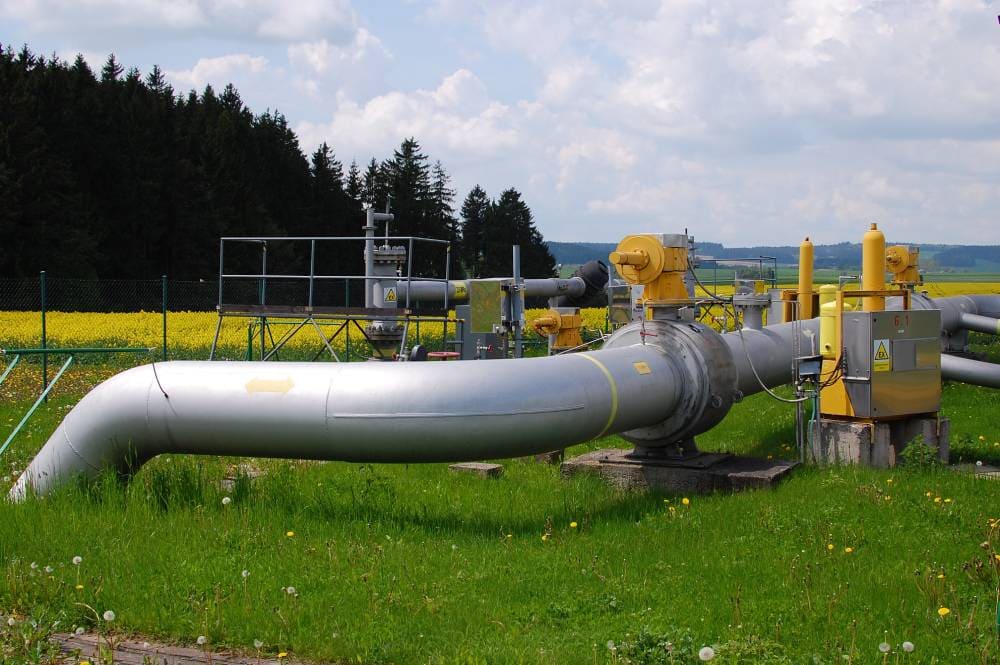
Although the EU considerably cut down on its dealings with Russia, it is still reliant on Moscow for gas supplies. Member nations have chalked out plans to be completely independent of Russian gas supplies by 2027. However, that is a long way off. Europe has put plans in motion to reduce its dependency on Russian by reducing imports by two-thirds within a year. But Beurden knows that it is easier said than done and the ground reality is far different from the one everyone wishes for. “If there was no Russian gas supply at all… life would be very hard”, he added, noting that Europe will be under tremendous pressure – both economically and politically – to make do without gas supplies from Russia.
“We should all be very mindful and responsible when it comes to that,” he said. “That this [energy crisis] is going to somehow be easy, or over is a fantasy we should put aside”. Spiraling gas prices in Europe has caused alarm amongst member nations as it hit an all-time high on August 26, raising concerns about a possible recession. Europe is not yet self-sufficient when it comes to renewable energy, although governments have encourage investment and offered subsidies.
The Europe gas crisis continued to worsen with prices hitting a record high above €343 per megawatt hour, which has forced EU energy ministers to convene an emergency meeting. The energy crisis will impact industry across Europe. In July, EU member states had voluntarily decided to reduce national gas demand between August and March by 15%, but if the energy crisis becomes acute they will have no option but to make it mandatory.
European ministers have struggled to deal with the shortage of gas after Russia reduced supply. On the other hand, the agricultural industry is panicking as the Europe gas crisis has also resulted in Europe cutting back on production of some nitrogen-based fertilizers. As companies shut down or reduce production, farmers have warned of a food crisis in the coming months due to lack of fertilizers. Experts expect prices for nitrogen-based fertilizers to increase over the coming weeks, as demand outstrips supply.
The current energy crisis has put Europe’s climate change ambitions in jeopardy and raised questions about a possible recession decimating member states. While 12 members are on the brink of a crisis, a handful have been completely cut off after Russia reduced gas supplies. Kadri Simson, Europe’s energy commissioner, told CNBC, “We have to be ready, there might be full disruption in near [the] future, and that means that we need to have a plan in place.” With dwindling supplies, Europe gas prices are shooting through the roof and impacting daily life. Economists are preparing for a recession in 2023 and mentioned that higher gas prices will squeeze consumer budgets that will have a snowball effect on trade and industry.