On February 28, US consumers are prepping for an economic blackout, which includes abstaining from spending money anywhere. The February 28 economic blackout asks people to skip all nonessential purchases, both in-store and online, from midnight Thursday to midnight Friday. The People’s Union USA website says, “No Amazon, No Walmart, No Best Buy! No shopping anywhere!”
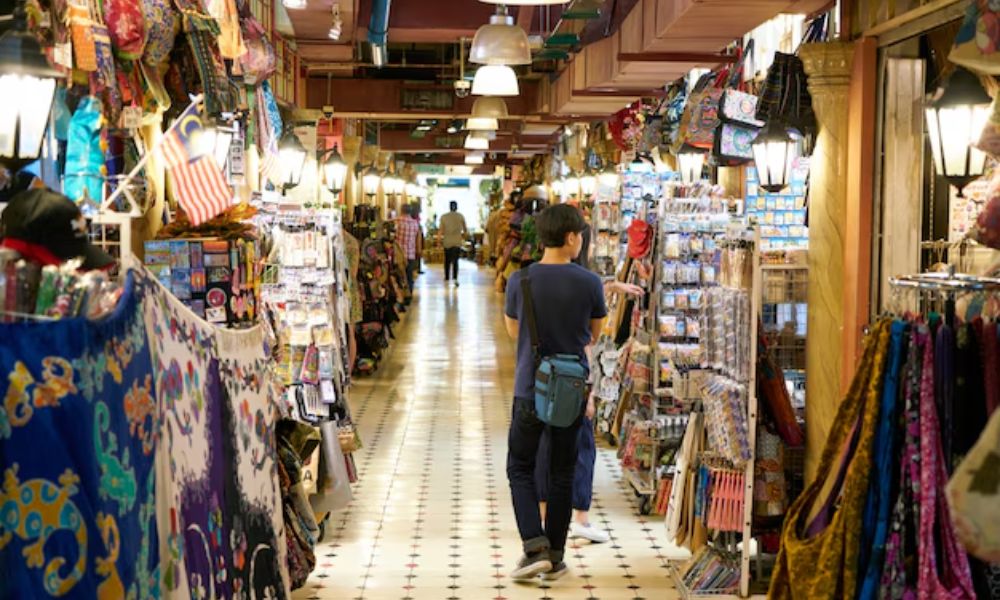
It encourages people to avoid spending on fast food, big retailers, or gas and to refrain from using credit or debit cards for unnecessary buys. The blackout allows for buying only essential items like medicine, food, or emergency supplies from small shops and local businesses instead.
What is the February 28 Economic Blackout?
The movement is all about taking a stand against the practices of large companies, asking people to spend only on essential items such as food, medicine, or emergency supplies. The goal is to create a collective impact, showing that consumers have the power to disrupt the economic flow by simply choosing not to spend money on nonessential goods. While the blackout excludes small, local businesses, it urges shoppers to support them instead of large corporations.
The campaign is a protest against the dominance of giant corporations like Amazon, Walmart, Best Buy, and others that have significantly impacted small businesses and local economies. By avoiding these large companies for a full day, the movement hopes to spark awareness of the role these companies play in shaping consumer habits, exploiting workers, and contributing to environmental degradation.
Who Ignited the Economic Blackout?
The idea of the February 28 economic blackout was sparked by the People’s Union USA, a grassroots organization focused on consumer rights and ethical business practices. The group launched the campaign to raise awareness about the growing influence of major corporations and the harmful effects they have on small businesses, the environment, and working-class communities.
What started as a local effort quickly gained traction online, with many individuals and groups across social media platforms showing their support. By sharing information about the blackout and spreading the message on various channels, the movement snowballed, gaining attention from consumers who were fed up with the practices of big businesses. Several advocacy groups endorsed the campaign, leading to its significance and increased reach.
What’s the Goal of February 28 Boycott?
The main goal behind the February 28 economic blackout is to draw attention to the overwhelming influence large companies have on global markets, consumer behavior, and local economies. By choosing not to spend money on companies like Amazon, Walmart, and fast food chains, the boycott hopes to send a powerful message about consumer power.
Additionally, the union has assigned different weeks to boycott different companies in the future. These “company weeks” are planned as part of an ongoing campaign to keep the momentum of the blackout alive and encourage people to focus on different industries throughout the year. Each week will target a specific major corporation, challenging its business practices and calling for a more balanced and equitable marketplace. The ultimate goal is to reduce reliance on monopolistic giants and foster a healthier, more diverse economic ecosystem.