On March 19, the Federal Reserve announced that interest rates would remain unchanged and warned of the upcoming economic uncertainty amid the government’s tariff agenda. The Fed rate decision was followed by a surge in stocks. However, the growth forecast has been lowered for the year and hinted toward two upcoming potential cuts in Federal Reserve interest rates.
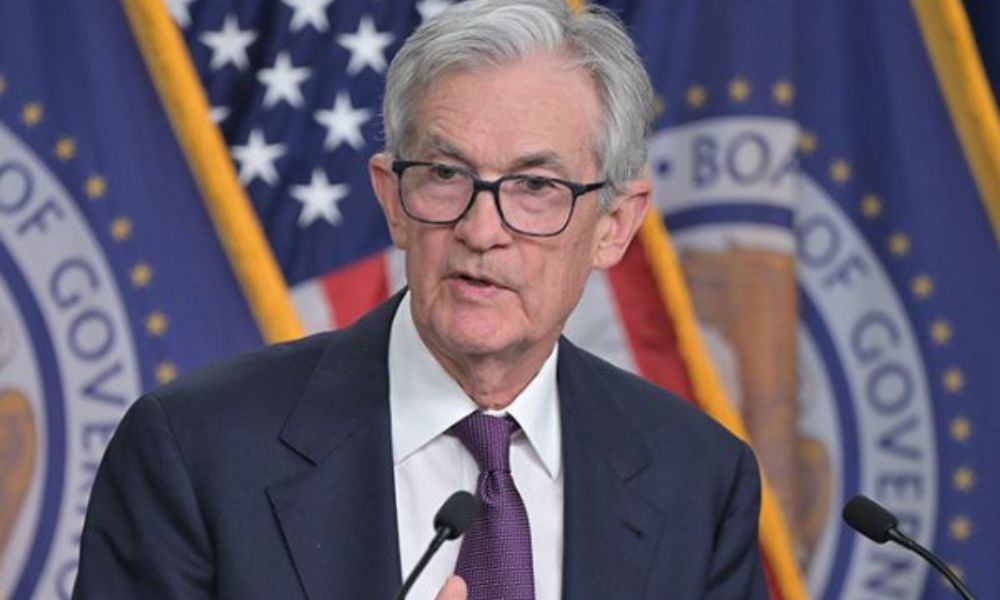
The Fed said that its Federal fund rates, which work as a benchmark for interest rates throughout the economy will remain the same at 4.5%. Jerome Powell, Fed Chair, said, “Inflation is starting to rise, partly due to tariffs, and we might see slower progress in the coming months.”
Fed Rate Decision: What It Means for the Economy?
On March 19, 2025, the Federal Reserve made a pivotal Fed rate decision, announcing that This announcement immediately captured attention, signaling the Fed’s cautious approach as it navigates economic uncertainties. Following the Fed interest rate decision, stock markets experienced a surge, as investors interpreted the move as a sign of stability amid a turbulent economic landscape. Despite this positive market reaction, the Federal Reserve also issued a downward revision of its growth forecast for the year, suggesting that economic progress might not be as swift as anticipated.
Jerome Powell, Chair of the Federal Reserve, highlighted inflation as a significant concern, pointing out that rising tariffs have contributed to price increases. Powell also noted that the pace of economic progress may slow down in the coming months. While the Fed’s next meeting is still some time away, Powell’s statement indicated that the Fed is prepared to take a more cautious stance in the short term.
For everyday consumers, this Fed fund rate announcement means that borrowing costs will stay stable for the foreseeable future. With interest rates remaining steady, loans, mortgages, and credit cards will not see sudden hikes. This stability provides predictability, ensuring consumers don’t face unexpected increases in their financial obligations. Similarly, businesses can continue to plan and invest without worrying about drastic changes in interest rates.
Reducing ‘Quantitative Tightening’: What It Implies?
Alongside the Fed rate decision, the Federal Reserve also revealed plans to scale back on its quantitative tightening (QT) efforts. QT is the process where the Fed reduces its balance sheet by letting government bonds and other assets mature or by selling them off. The goal of QT was to reduce the money supply and curb inflation, but the latest Fed actions suggest a shift in policy toward more flexibility.
By easing up on quantitative tightening, the Federal Reserve is signaling that it may provide more liquidity into the economy if necessary. This decision may help ensure that businesses have continued access to affordable credit, which could prevent a slowdown in economic activity. However, easing too much could also lead to inflationary pressures if there’s an oversupply of money. The Fed’s challenge will be to manage this delicate balance—ensuring that the economy receives the support it needs without causing inflation to rise too quickly.
Elon Musk’s Decision to Lay Off Federal Employees: A Broader Corporate Trend
As the economy continues to grapple with uncertainty, another major headline involved Elon Musk’s decision to lay off federal employees working for his companies, Tesla and SpaceX. Musk’s move is part of a larger trend in corporate restructuring as companies reassess their operations amid economic pressures, including rising tariffs and inflation.
Musk’s decision to cut federal employees, those involved in regulatory compliance and government relations, reflects his drive to streamline operations and reduce overhead costs. As businesses face increased scrutiny from both regulatory bodies and investors, Musk’s approach could set a precedent for other major companies to rethink their workforce structure, especially in areas that directly involve government interactions.