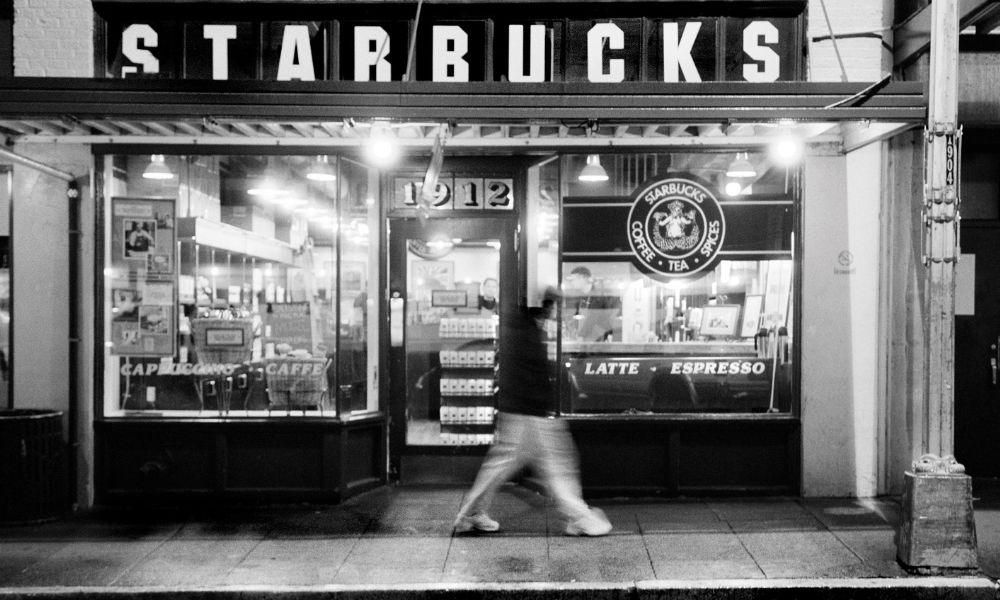
Howard Schultz bought a company for about $4 million decades ago and built it into a global business worth billions. A story, people will talk about for decades of resilience, commitment, strength, and faith that come with creativity and consistent hard work. Howard Schultz is a former executive chairman and CEO of Starbucks and is significantly famous in the coffee world.
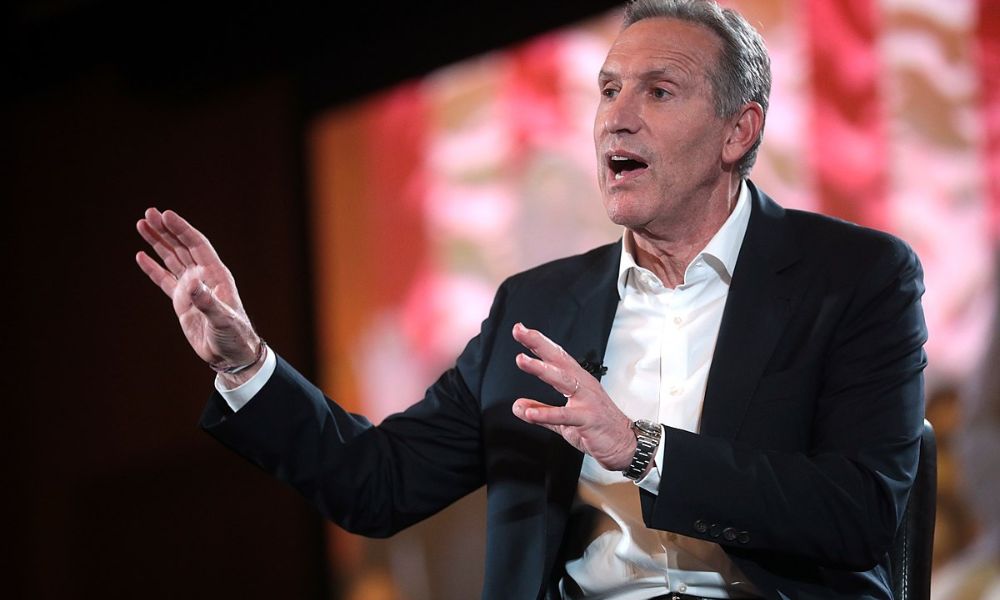
In September 2023, Schultz stepped down from the Starbucks board of directors, leaving behind his legacy. In this article, we will discuss the inspiring success story of Howard Schultz, a man who made a multi-billionaire chain out of a local cafe store. His story isn’t just about business but about compassion, innovation, the ability to take risks, and having unshakable ideology.
Early Life of Howard Schultz
Schultz, 65, was born in Brooklyn, New York, and grew up in a tough neighborhood called Canarsie, where his family lived in government-subsidized housing. Howard Schultz’s father, Fred, worked hard in various blue-collar jobs but never earned more than $20,000 a year and couldn’t afford a home. Despite financial struggles, he was a loving, dedicated father and a big Yankees fan.
Little did Schultz know that he was destined to be a business icon for all the other entrepreneurs. He writes, “I knew in my heart that if I was ever in a position where I could make a difference, I wouldn’t leave people behind.”
Starbucks – The First Big Break of Schultz
In 1982, Howard Schultz walked into Starbucks for the first time. Back then, Starbucks was a small Seattle-based coffee bean retailer, run by three partners, Jerry Baldwin, Zev Siegl, and Gordon Bowker. The company sold high-quality beans, but it didn’t serve coffee the way Schultz was used to. Schultz, fresh from a stint working at a housewares company, saw something that none of the Starbucks founders could envision: the potential of transforming coffee into a social experience. Schultz was hired as Director of Retail Operations and Marketing.
Schultz’s vision for Starbucks was radically different from the company’s original model. He recognized that coffee shops weren’t just places to grab a quick cup of coffee, they were places where people could come together, relax, and socialize. After visiting Italy in 1983, Schultz was struck by the culture of Italian cafes. He was captivated by the idea that coffee should be a communal experience, and he knew this was the key to turning Starbucks into something much larger.
Schultz brought this idea back to the company and immediately began pushing for a more expansive vision of Starbucks—a vision that would involve more than just selling beans. He proposed turning Starbucks into a coffeehouse experience. A place where customers could sip espresso while connecting with others.
The Starbucks brand, under Schultz’s guidance, transformed from a small regional coffee bean store into a global coffeehouse empire. Schultz’s approach was to expand the brand, focusing on creating a new culture around coffee, a place where people could gather and feel at home. This new vision was offering coffee drinks unfamiliar to the U.S. market and prioritize customer experience as key to brands’. Schultz began aggressively opening new stores, expanding Starbucks across Seattle, and soon, nationwide.
Starbucks Fired Howard Schultz
However, Schultz’s vision didn’t always align with the direction of the company’s founders. In 1985, Schultz found himself at odds with the board of directors. The decision to transform Starbucks into a café was met with resistance, not wanting to dilute the brand’s authenticity.
In 1985, Schultz made the difficult decision to leave Starbucks and started his own coffee company, Il Giornale, which was inspired by the Italian café culture he admired. The company was a success and it didn’t take long before Schultz was able to buy Starbucks from the founders in 1987 for about $4 million. Schultz returned to Starbucks, this time as the new CEO, a turning point for Starbucks, as it grew into the global powerhouse it is today. Schultz’s ability to trust his instincts, despite facing rejection, demonstrated his resilience and his unwavering belief in his vision.
Why Howard Was Focused on Innovation and Customer Experience?
Schultz was passionate about reshaping Starbucks into a more customer-oriented place that provided the best quality of coffee and services. He introduced the concept of a “third place”—a space between home and work where people could gather, relax, and enjoy their coffee. Schultz also implemented a new focus on quality and consistency. He made sure that every Starbucks store around the world provided the same high-quality coffee, customer service, and atmosphere.
Schultz believed in innovation, not just for the sake of change, but because it was essential to maintaining Starbucks’ relevance in an ever-evolving market. Starbucks introduced new products like flavored lattes, frappuccinos, and seasonal offerings to keep customers engaged and excited. The company expanded its offerings to include sandwiches and pastries, enhancing the overall experience for customers.
Howard Schultz Leadership Style – Always a Risk-Taker
Schultz’s leadership style was a key part of his success. He was never afraid to take risks or make bold decisions, even when it seemed uncertain. Whether it was the decision to open stores in the early 1990s, expand Starbucks internationally, or develop a new product line, Schultz consistently pushed the company forward.
His ability to take calculated risks was a crucial part of his leadership style. Schultz didn’t just rely on traditional business methods. He was always looking for new ways to innovate and grow. For example, in 1992, Starbucks became publicly traded, allowing Schultz to further expand the company and establish it as a global brand. Schultz’s willingness to take risks helped make Starbucks one of the most successful and recognizable brands in the world.
Schultz also led with a sense of purpose. He believed in the importance of company culture, and this was reflected in the way he treated his employees. Schultz famously introduced comprehensive health benefits, stock options, and even college tuition reimbursement for Starbucks employees, showing that he valued his people as much as he valued profits. This created a sense of loyalty and commitment among his employees, and they, in turn, provided excellent service to customers.

Awards and Recognition Received by Howard Schultz
Howard Schultz’s contributions to business and society have been widely recognized over the years. His leadership, vision, and success with Starbucks have earned him numerous awards and honors. Among the most prestigious is the Forbes magazine title of “World’s Most Powerful CEO.” He was also named one of Time magazine’s 100 most influential people in the world.
Schultz has been recognized for his philanthropic work as well. He has received the GQ Man of the Year award and has been recognized by the National Restaurant Association for his leadership and innovation in the coffee industry. Schultz’s commitment to social responsibility has also earned him accolades, including honors for his work in promoting diversity, environmental sustainability, and community engagement.
Schultz Family Foundation
In addition to his business success, Howard Schultz has demonstrated a deep commitment to giving back to the community. In 1996, Schultz and his wife, Sheri, founded the Schultz Family Foundation, a nonprofit organization dedicated to helping young people, veterans, and underserved communities gain access to opportunities and skills needed to succeed in the modern world.
The foundation works with various partners to offer job training, mentorship programs, and support for people in need. Schultz’s vision for the foundation mirrors his broader philosophy: it’s about creating opportunities for individuals to thrive, no matter their background. This dedication to helping others is a testament to the values Schultz has upheld throughout his career.
What Can You Learn from the Success Story of Howard Schultz?
Howard Schultz’s journey is a powerful example of how leadership, innovation, and a commitment to customer experience can change the world. His success with Starbucks teaches us that to achieve greatness, you must be willing to take risks, challenge conventional wisdom, and believe in your vision even when others doubt you.
One of the key lessons from Schultz’s story is the importance of empathy in leadership. Schultz’s leadership style was always grounded in a deep understanding of people, whether it was his employees or his customers. He recognized that by treating people with respect, offering them value, and empowering them, businesses could create loyal, long-term relationships.
Schultz also showed that innovation is not just about new products but about continuously improving the customer experience. By focusing on creating a unique, comfortable space for people to connect and unwind, Schultz revolutionized the coffee shop industry and set Starbucks apart from its competitors.
Finally, Schultz’s story teaches us the importance of resilience. Whether it was facing rejection or starting over with his own coffee company, Schultz never gave up on his dream of transforming Starbucks into something special. His journey is proof that success doesn’t come easily. It requires hard work, faith, and a willingness to fight for your beliefs.