As a CEO it becomes crucial to work on retirement strategies in ensuring a successful transition. Having a planned retirement strategy can provide a sense of certainty and helps in considering their next steps. In addition, identifying retirement goals is an important part of the planning process for a CEO as they can ideate their desired lifestyle and financial needs after retirement. Understandably, nothing is easy and this too has its own challenges, like time constraints as well as the uncertainty.
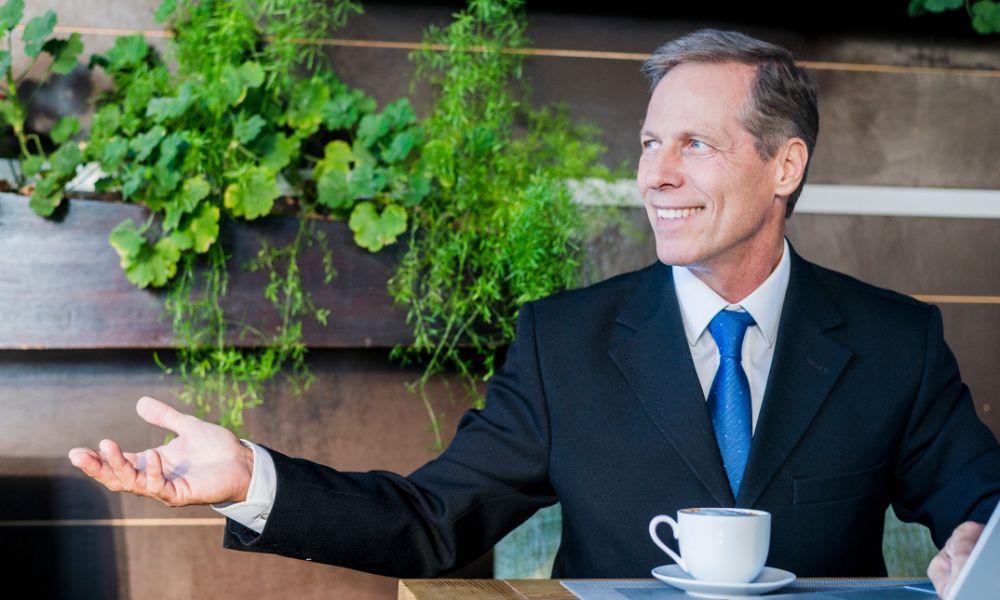
Retirement is a challenging transition for anyone, but it poses even more difficult hardships for individuals in higher leadership positions. Retirement for a CEO is not always idyllic, at least at the start. CEOs have their life defined by the work they do. Hence, retirement often feels more like a missing element rather than a celebration.
Importance of retirement planning strategies for CEO
In today’s scenario, importance to retirement strategies is given as it helps with adaptability. With evolving market trends, rising healthcare costs, and an increasing focus on sustainable investing CEOs must implement retirement strategies.
Retirement planning is a lifelong endeavour that requires careful planning, disciplined saving, and prudent investing. In addition, it’s never too early or too late to start planning for your retirement future.
Retirement planning is crucial for securing one’s financial future and preparing for a steady stream of income post retirement.
Retirement planning strategies
Retirement planning is a journey that requires careful consideration and proactive steps to ensure financial security and a comfortable lifestyle. Planning can help you benefit as per your specific life stages and financial goals, whether you’re just starting your career or nearing
Start early
One of the main tip for retirement planning is starting early. This will allow you to spot successor, communicate the news, get your clients on board. Starting early is beneficial not only for the CEO but for the organization and its people as it would be a gradual transition.
Creating retirement income
Planning on how to grow your funds post retirement requires securing a source of recurring income. Try finding source that can give you reward and stay active after retirement.
Identify your emotional state
Often times, CEOs career is power driven, so retirement can be challenging for them. CEO’s do feel a sense of purposelessness during this transition. Identifying and addressing your emotion state owing to retirement is vital. If need be seek professional support as and when required.
Prioritize Family and Friends
Retirement allows you to devote more time to the people most matter to you. Adjusting to being more present at home may be a transition, so maintain open communication with your family. Discuss how you’d like to spend your days and if there are opportunities to build deeper connections.
Stay Connected1
Remain active on social media, especially LinkedIn, and regularly participate in conferences and professional groups. Let people know your identity and remind them of your expertise. You never know when a connection may lead to an introduction or a referral that opens up newer chances and opportunities.
Explore Mentorship Opportunities
As you step away from the C-suite league, you possess a wealth of expertise that can benefit others. If you want to continue using your CEO skills without a formal part-time role, think about mentoring a younger executive leader who reminds you of younger you. You can still enjoy the retirement lifestyle on your terms while offering guidance, advice, and problem-solving expertise that a budding leader might eagerly seek.
Continue learning
Use your newly generated free time to explore subjects you are passionate about, whether the traveling or collecting books. Consider joining a book club, attending gatherings, or auditing classes at your local community university.
Embracing the journey towards a fulfilling retirement life allows retired CEOs to lead a purposeful and mentally healthy lifestyle.
Retirement marks a significant milestone for chief executives, but it doesn’t signal the end of their professional journey. Instead, it presents a unique opportunity to transition into a second career, one that’s tailored to their preferences and wishes. During retirement, former CEOs can explore new avenues, pursue fresh challenges, and make choices that align with their aspirations. It’s a chance to pivot, evolve, and embark on a new phase of their professional life that reflects their unique vision and goals. Retirement isn’t a conclusion but the beginning of a fresh and self-determined chapter in their career journey.