The U.S. Federal Reserve instant payments is launched, which was long awaited FedNow services that will aim to modernize the country’s payment system by eventually allowing everyday Americans to send and receive funds in seconds, 24 hours a day, seven days a week, the central bank announced on Thursday.
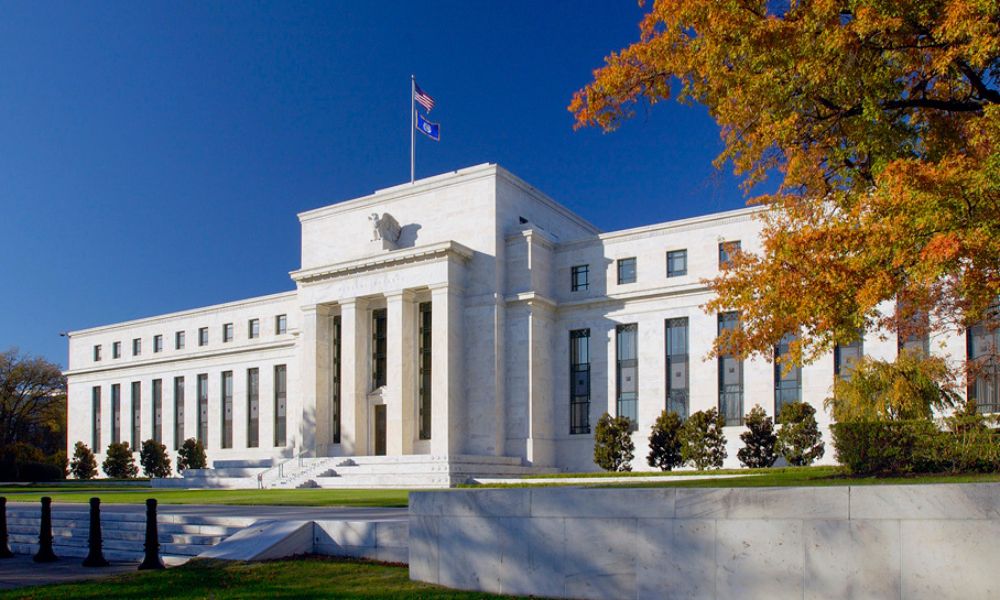
The Federal Reserve said on Wednesday, it will launch its long awaited FedNow instant payment service in July.
Federal Reserve instant payments
The Federal Reserve instant payments network will settle payments in seconds, with the capability to support consumer-to-consumer, consumer-to-merchant, merchant-to-merchant, and bank-to-bank transactions. It’s Fed real time payments system.
“With the FedNow Services, the Federal Reserve is creating a leading edge payments system that is resilient, adaptive, and accessible,” said Tom Barkin, president of the Federal Reserve Bank of Richmond and the FedNow Program’s executive sponsor.
“The launch reflects an important milestone in the journey to help financial institutions serve customer needs for instant payments to better support nearly every aspect of our economy.”
Federal Reserve’s FedNow services has been in the works since 2019, will seek to eliminate the several day lag it commonly takes cash wire transfers to settle, bringing the U.S. in line with countries including the UK, India, Brazil, as well as the EU, where similar services have existed for years.
Federal Reserve instant payments is launching with 41 banks and 15 service providers certified to use the service, including community banks and large lenders like JPMorgan Chase, Bank of New York Mellon, and U.S. Bancorp, but the Fed plans to onboard more banks and credit unions this year.
The Fed said on Thursday in a statement that 35 banks and credit unions were currently utilizing the service, as well as the Treasury Department’s Bureau of Fiscal Service.
Fed real time payments will compete with private sector real time payments systems, including The Clearing House’s RTP network, and was initially opposed by big banks who said it was redundant. But many have since agreed to participate on the basis FedNow will allow them to expand the services they can offer clients.
“For us, FedNow really is a wonderful way of expanding reach,” said Anu Somani, head of global payables and embedded payments at U.S. Bank.
Federal Reserve wire transfer
Federal Reserve also operates what is called FedWire payment system which is reserved for large scale, mostly corporate payments and is only operational during business hours. While the new FedNow service system is for everyone, it’s likely to benefit consumers and small businesses the most, analysts have said.
“We want our clients to benefit from these capabilities, and we want that to be a competitive edge for us,” said Carl Slabicki, global co-head of payments for BNY Mellon’s Treasury Services.
Smaller banks, which often connect to FedWire payment system via larger lenders, encouraged the Fed to develop FedNow services, arguing that it would allow them access to real time payments without having to pay larger competitors for the service.
FedNow charges
FedNow will not charge consumers, although it’s unclear whether or how participating banks will pass on any costs associated with the service.
At the outset, FedNow will have a maximum payment limit of $500,000, but banks can choose to lower that cap if need be.
Some market participants have raised concerns that FedNow could super charge a potential bank run by facilitating fast outflows from financial institutions, a fear that was amplified after the failure of Silicon Valley Bank earlier this year.
But Fed officials have downplayed those concerns, arguing that banks have tools available to mitigate a wave of outflows.
At the outset, FedNow will have a maximum payment limit of $500,000, but banks can choose to lower that cap if need be.