The gaming world is already buzzing about the Sony PlayStation 6, and while the console itself may still be some time away, the strategy behind its development is coming into clearer focus. Sony is not simply building another generation of hardware; it’s shaping its position in a rapidly transforming industry. By focusing on powerful local consoles while cautiously advancing cloud gaming, Sony is making a calculated move to stay on top of the gaming market.
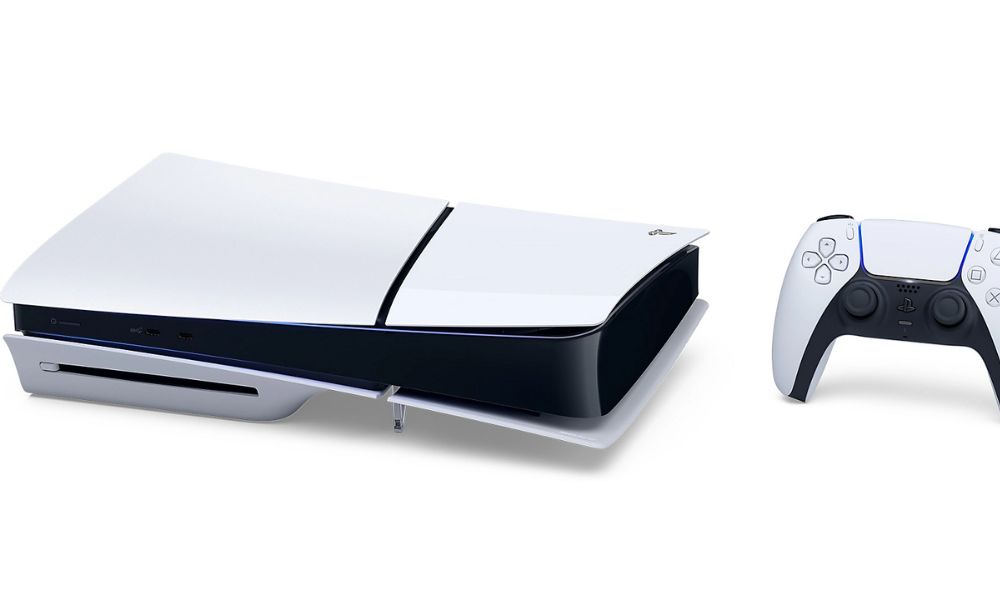
Unlike competitors racing toward a cloud-first future, Sony is treading more deliberately. The success of the PlayStation 5 has reaffirmed the company’s belief in local execution. While PlayStation 6 release plans remain largely under wraps, Sony’s dual approach signals a deeper business strategy rooted in balancing innovation with reliability.
The Hardware-First Mindset: Why Consoles Still Matter
Sony’s global gaming chief, Hideaki Nishino, has emphasized that local hardware is still critical to delivering the high-quality experiences players expect. The PS5 and the upcoming PS5 Pro serve as proof points that high-performance consoles remain a central pillar of Sony’s ecosystem. The Sony PlayStation 6 continues this trend, with early reports pointing to significant improvements in processing power, graphics, and system architecture.
Even in the age of cloud-based everything, Sony understands that local consoles provide speed, stability, and immersive play that cloud services still struggle to match. Nishino’s approach isn’t about resisting change—it’s about evolving with control. In a world where internet infrastructure remains inconsistent, Sony’s strategy ensures gamers get the experience they paid for, no matter where they are.
Cloud Gaming: A Strategic Expansion, Not a Pivot
Sony isn’t ignoring the cloud; it’s just approaching it differently than rivals like Microsoft. Rather than betting the house on streaming, Sony is integrating cloud functionality where it makes the most business sense. Services like PlayStation Plus Premium are quietly building a foundation for future cloud revenue while keeping console hardware at the forefront.
While PlayStation’s next-gen plans do acknowledge the potential of cloud gaming, Sony has made it clear that network latency, bandwidth issues, and infrastructure disparities remain obstacles. This caution helps Sony avoid overcommitting to an ecosystem that may not be fully ready, all while experimenting with the model through its subscription service.
This hybrid strategy is particularly compelling to investors, who see in Sony a measured, profitable approach that maintains legacy strengths while exploring scalable new revenue streams.
Protecting Market Share with a Dual Approach
According to 2024 industry estimates, Sony currently holds more than 50% of the global console market. Maintaining that dominance will require more than hardware power; it will require strategic foresight. The PlayStation 6 release is part of a broader plan to defend this lead while adapting to future trends.
By focusing on console loyalty and subscription growth through PlayStation 6 updates and service integrations, Sony is ensuring its community stays invested. It’s also opening the door to monetization beyond the traditional model. Instead of betting everything on future technologies, Sony is betting on user experience and ecosystem value.
This approach contrasts sharply with Microsoft’s heavy cloud investments. Where Xbox seeks disruption through streaming, Sony is reinforcing its stronghold and slowly expanding outward. For gamers, that means less disruption and more reliability. For Sony, it means defending margins and controlling rollout timelines.
What It Means for the Business Landscape
From a business angle, Sony’s PlayStation next-gen reveal and ecosystem expansion create multiple takeaways:
- Stability Attracts Investors: Sony’s hybrid model appeals to investors seeking a balance between legacy cash flows and innovation. With a solid foundation in console sales, the company can afford to cautiously explore new frontiers.
- Cloud Caution Is Strategic: Unlike Microsoft, which risks stretching its gaming arm thin, Sony is making infrastructure and network partnerships a future possibility, not an immediate necessity.
- Consumer Loyalty Pays Off: With a loyal user base, Sony can pace itself on changes. A controlled rollout of PlayStation next-gen plans ensures smooth adoption and minimal backlash.
- Long-Term Monetization Opportunities: Subscription models like PlayStation Plus Premium are more than perks—they’re future cash engines. As Sony weaves these services into its console experience, revenue will no longer rely solely on game purchases.
Sony’s Strategic Hedge Is Working—for Now
Sony’s PlayStation 6 roadmap is more than a product cycle; it’s a carefully calculated market play. The company is threading the needle between satisfying traditional console players and preparing for an inevitable cloud-driven future. Its restraint in jumping headfirst into full cloud gaming reflects a realistic view of market readiness and consumer expectations.
With the Sony PlayStation 6 still in development, fans and analysts alike are watching how the company will strike this balance. For now, Sony is betting that powerful local hardware and a slowly expanding digital ecosystem are the keys to holding—and growing—its dominant position in the console market.