Car buyers in the U.S. are feeling the pinch once again as Subaru announces a major price increase across much of its vehicle lineup. The automaker confirmed this week that it has raised prices due to ongoing market challenges, including higher input costs and the rising impact of tariffs on imported vehicles and components. The Subaru price increase comes as the auto industry struggles with post-pandemic inflation, global supply chain shifts, and renewed international trade tensions.
This decision by Subaru is already drawing reactions from both consumers and politicians, with some analysts warning that it could ripple across the wider automotive market. At the heart of this move lies a mix of unavoidable external pressures and strategic adjustments. Here’s what we know about the Subaru vehicle pricing changes, what’s driving them, and how they may affect buyers and competitors in the months ahead.
Subaru Raises Car Prices Across the Board
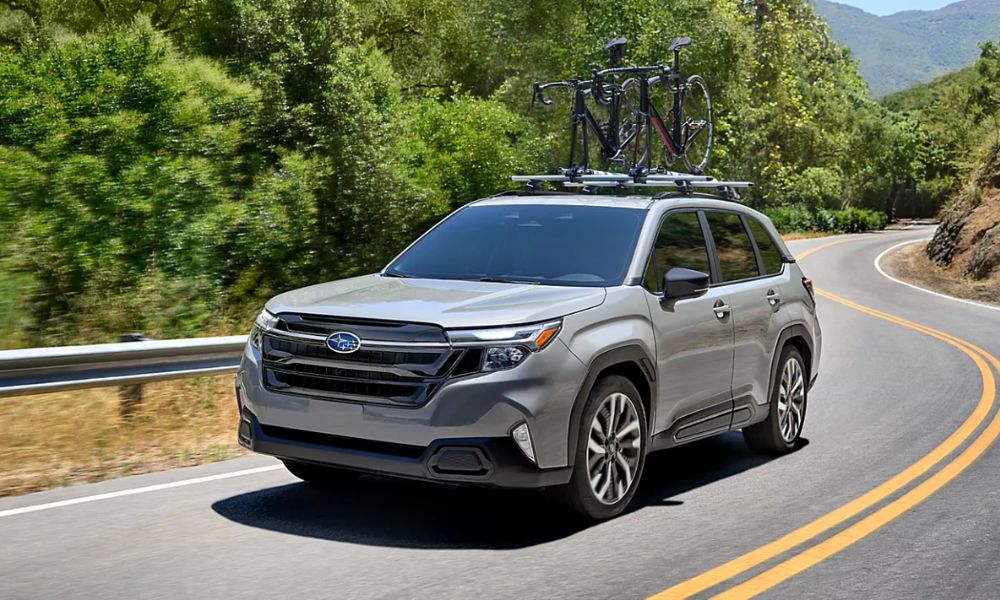
Subaru of America confirmed on May 19, 2025, that it is implementing price increases across nearly all its 2025 models, including popular vehicles like the Outback, Forester, and Crosstrek. While the company didn’t provide an exact percentage increase across the board, industry experts estimate the hike averages between 3% and 5%, depending on the model and trim.
A spokesperson from Subaru cited “market conditions, increased logistics and manufacturing costs, and trade-related impacts” as the main drivers behind the decision. These pricing adjustments apply immediately for upcoming deliveries and new dealer orders. As a result, customers shopping for a Subaru in summer 2025 will see higher MSRPs across most models.
This announcement follows similar decisions by other automakers, but Subaru’s increase stands out due to its timing and connection to wider political tensions, particularly regarding tariffs.
Why Subaru Prices Increased: A Closer Look
Aside from tariffs, other underlying factors are contributing to why Subaru prices increased. Global inflation continues to affect the cost of raw materials such as aluminum, steel, and lithium. Supply chain disruptions are still affecting chip availability and shipping logistics. Labor costs in key markets have also risen sharply, and automakers are being forced to absorb or pass along these increases.
Moreover, Subaru is investing in electrification and software upgrades across its fleet. The push to introduce more hybrid and electric vehicles in the next two years requires higher R&D spending, and price adjustments are one way to support those efforts.
The company is also trying to maintain its profit margins in a market that is becoming more competitive and cost-sensitive. In essence, the combination of macroeconomic headwinds and evolving product strategy is reshaping Subaru vehicle pricing across the board.
What Does This Mean for Car Buyers?
For consumers considering a new Subaru, the Subaru price increase will affect affordability and financing options. While Subaru vehicles have long been seen as offering solid value, particularly in the all-wheel-drive segment, this pricing shift may cause some shoppers to look at alternative brands or used models.
Experts recommend that buyers act quickly if they’re planning a purchase. Dealerships may still have a limited inventory of vehicles with pre-hike pricing, but that window is closing fast. Additionally, financing rates remain high, which compounds the effect of a more expensive sticker price.
What Lies Ahead for Subaru and Buyers
The Subaru price increase in May 2025 reflects a broader trend in the automotive industry—rising costs, economic uncertainty, and geopolitical trade shifts are reshaping how vehicles are priced in the U.S. market. While the company cites market dynamics as the main reason, the role of tariffs cannot be ignored.
As Subaru raises car prices, customers, dealers, and industry analysts will be watching closely to see how the market reacts. For many Americans, this may mean adjusting budgets or rethinking their car-buying plans in a year already marked by inflation and uncertainty.