Tesla’s robotaxi launch in Austin is officially underway, marking one of the most anticipated steps toward a fully autonomous ride-hailing future. In a pilot program rolled out to a select group of users, the Tesla robotaxi service is now operating in specific zones of the city. With no driver at the wheel and a fixed fare model, this carefully controlled debut is being closely watched by regulators, investors, and mobility enthusiasts.
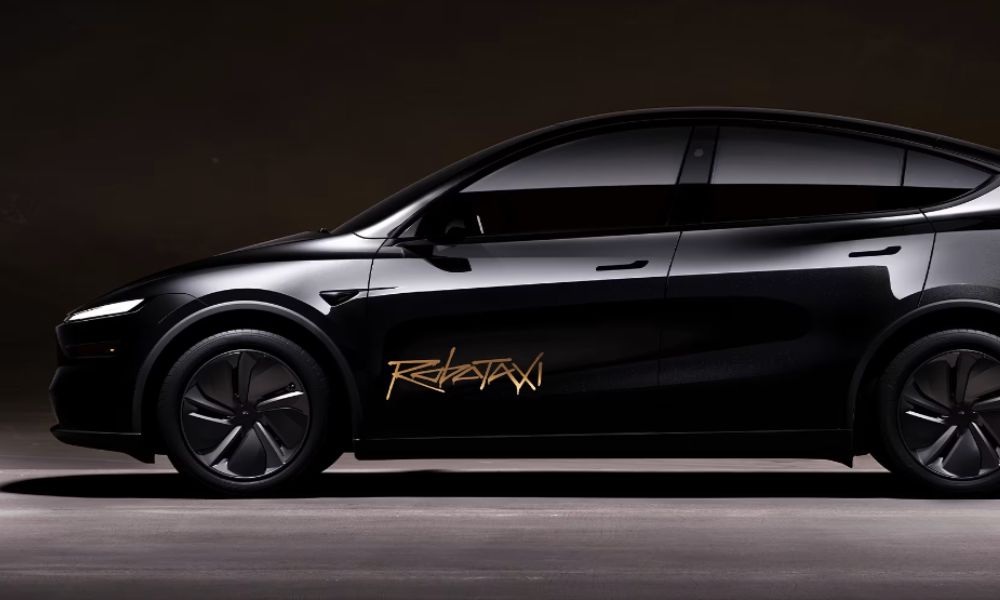
While the robotaxis on Austin’s roads are still in a testing phase, the implications are significant. Tesla’s controlled approach, limiting access, collecting detailed performance data, and embedding safety measures, demonstrates a long-term strategy rather than a flashy public launch. At the same time, the financial world is watching how this move might influence Tesla stock and the broader self-driving vehicle market.
Inside the Tesla Robotaxi Launch: Austin’s Pilot Phase Begins
Tesla’s robotaxi launch in Austin is not open to the general public, at least not yet. The pilot began with a small, invite-only user base that could request rides using Tesla’s mobile app. Operating in limited parts of Austin, the robotaxis are designed to navigate without human drivers, although early test vehicles include in-cabin supervisors who can intervene if needed.
This cautious, data-driven rollout gives Tesla a chance to observe how its self-driving software handles complex urban conditions. Each ride helps improve neural network performance and paves the way for larger-scale implementation. The company’s decision to charge a flat $4.20 fare per ride helps simplify the user experience and gather pricing data for future planning.
How the Tesla Robotaxi Service Works in Austin
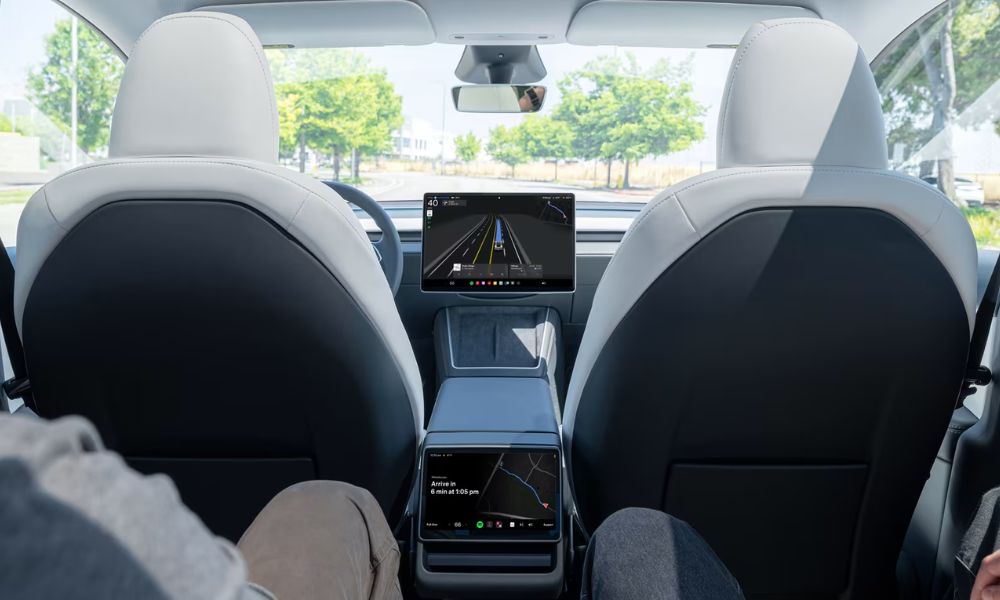
Users invited to the Tesla robotaxi program in Austin can request rides just like any ride-hailing app. What sets this service apart is the lack of a traditional driver. While most of the vehicles still include a human safety monitor, the cars navigate entirely on their own, thanks to Tesla’s Full Self-Driving (FSD) software.
The robotaxis currently follow specific routes within a geofenced part of Austin. Tesla engineers monitor performance remotely and can deliver updates over the air. With each trip, the robotaxi system collects information on traffic flow, road conditions, rider behavior, and edge-case scenarios. Tesla is using this data to refine both hardware and software before the service can expand citywide or nationally.
Safety and Trust Are Core to Tesla’s Austin Rollout
Deploying autonomous vehicles in live environments means facing scrutiny from both regulators and the public. In Austin, Tesla has partnered with local authorities to ensure that the robotaxi rollout meets strict safety standards. Each ride is logged and evaluated for accuracy, passenger comfort, and vehicle responses to unpredictable situations.
Tesla’s robotaxi service uses multiple layers of sensor input, including cameras, radar, and ultrasonic systems to ensure redundancy. Tesla has also taken steps to address public concerns by making ride data partially accessible to regulators and using in-cabin observers for now. Austin city officials have expressed cautious optimism, noting Tesla’s efforts to ensure transparency and responsiveness during this early phase.
Tesla Stock Reacts to Austin’s Robotaxi Debut
With the launch of the Tesla robotaxi service in Austin, investors are speculating on the broader financial implications for Tesla stock. CEO Elon Musk has long promised a future dominated by robotaxis, one that could dramatically increase Tesla’s revenue by turning vehicles into money-making assets rather than simple products.
So far, the market response has been mixed but attentive. Tesla stock saw modest upward momentum following the announcement, as the pilot program signaled real progress in an area that’s been largely theoretical until now. Analysts caution that scaling the service nationwide will take time, but the Austin launch is a concrete start.
What’s Next for Tesla’s Robotaxi Rollout
While this pilot in Austin is currently limited, Tesla has signaled intentions to expand the service both within the city and to other markets. The next phases may involve larger rider pools, additional neighborhoods, and potentially a driverless version of the service.
Tesla’s long-term vision includes deploying robotaxis in multiple cities with minimal human oversight. The company believes that once its autonomous system proves safe and reliable, robotaxis could operate around the clock, redefining urban transportation and pushing competitors to keep pace.
Tesla’s Austin Launch Sets a New Standard in Urban Mobility
The Tesla robotaxi launch in Austin is more than a tech demo; it’s the first real-world trial of Tesla’s autonomous vehicle vision. As the Tesla robotaxi service gains early traction, it’s clear that the company is focused on safety, controlled growth, and data collection. While robotaxis on Austin’s roads are just the beginning, the lessons learned here could shape the future of ride-hailing globally and play a meaningful role in Tesla’s long-term valuation.