With the advent of the Internet, we have access to all forms of entertainment at our fingertips. This constant barrage of stimuli has made us incapable of focusing on something for a concentrated period of time.
The latest trend sweeping across Silicon Valley is the dopamine detox. As we are over exposed to the exhilaration of dopamine, each time it happens, we need to pursue higher levels of stimulation to achieve the same effect. With dopamine detox, people hope to bring down their threshold and strengthen their will power. For the IT crowd, this often translates to not using any kind of electronics for a set period of time that can range from a specific hour to an entire weekend.
Bombarded with an excess of stimulants and products, we have reached a point where nothing brings us happiness. We are always chasing the next high.
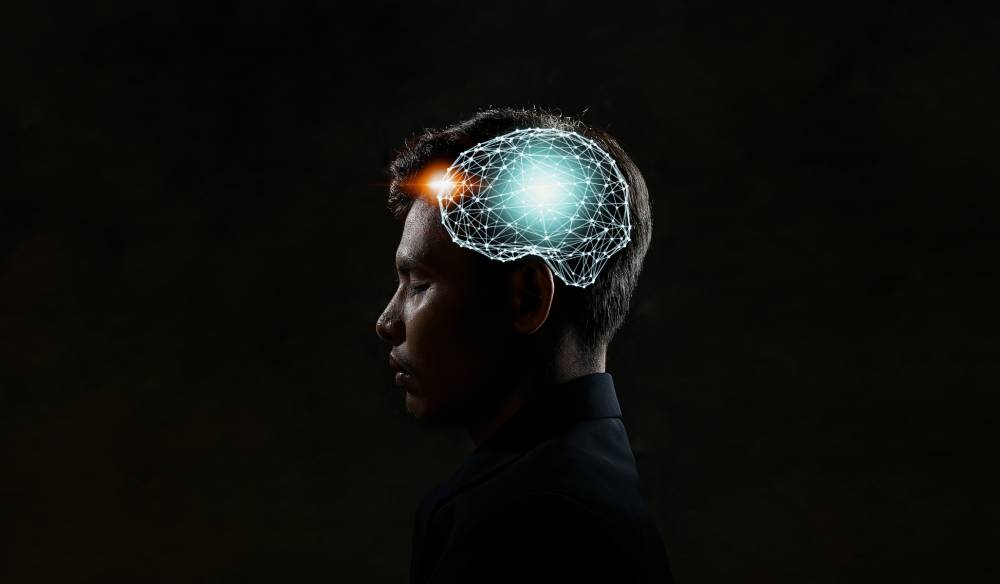
The Dopamine Detox
Dopamine is a chemical produced in the brain and associated with motivation, pleasure, and memory. High or low levels of dopamine can result in mental impairment and neurological diseases.
The practice of a dopamine fast was first developed by Cameron Sepah, PhD, a clinical professor of psychiatry at the University of California, San Francisco (UCSF) and executive coach. He mentions, “Taking a break from behaviors that trigger strong amounts of dopamine release allows our brain to recover and restore itself.”
Dopamine is an important part of addiction treatment as it is related to motivation and part of the larger reward system in our brain. The term dopamine detox does not mean that you are fasting from dopamine rather you’re refraining from substances or behaviors that cause a reward response.
In short, the popular version of a dopamine detox implies isolating oneself from all things that are pleasurable or stimulating. Thai is neither healthy nor useful when done on an extreme level. Low levels of dopamine can result in low motivation, reduced alertness, anxiety, or even difficulties in coordination. Too much dopamine in your system can cause hallucinations, mania, or delusions.
Dopamine Fasting and Mindfulness
Liking and wanting are separately aligned and dopamine is responsible for the wanting part. For example, when you receive a notification on your cell phone, you feel curious to know what it is about. This happens because the notification sound has triggered dopamine in your system. The ultimate message might not bring you happiness but the dopamine trigger makes you itch to know what it is then and there.
According to Kent Berridge, PhD, a professor of psychology and neuroscience at the University of Michigan, getting a dopamine hit can be invigorating.
Researchers have discovered that social media algorithms have been engineered to give you a dopamine rush every time you log in. It is based on our instinctive need to prioritize pleasure over pain. So, we keep looking for
Dopamine fasting does not mean that your body will stop producing the chemical. It is just a way to hone our ability to deal with distractions and temptations. Controlling our reactions in how we respond to easy stimuli helps hone our self-control muscles and live mindfully.
The original intent of a dopamine detox was to help people switch off from a technology-based frenzy and to connect more with the present moment. And while a dopamine fast can help move things along, it is best to practice mindfulness every day. Mindfulness is made up of two factors — awareness and acceptance. Instead of continually chasing the next big thing, mindfulness will help us focus on the present and cultivate our consciousness. Journaling and dopamine fasting can help an individual revaluate what is important and open his or her eyes to what is not-so-obvious. it leads them to a journey of self-exploration and eventually help us make mindful choices.
Making mindful choices help us keep stress and anxiety at bay.