The world’s biggest companies today are defined not only by their staggering market capitalizations, but also by the massive revenue they generate and the size of their global workforce. With rapid growth in cloud, AI, e‑commerce, and semiconductors, a handful of mega‑firms dominate the corporate landscape. These global leaders offer a blueprint for scale, innovation, and financial strength in an era of digital transformation.
In this feature, we examine the top 10 firms by market value and revenue, exploring how they became the largest companies by market cap and what makes them the most valuable companies in 2025. From Apple to Tesla, we detail sector, market cap, revenue insight, and strategic edge behind the top 10 companies shaping the global economy.
Top 10 Biggest Companies by Market Cap in 2025
As of mid‑2025, these are the most valuable companies 2025 by market capitalization. Their combined worth stretches into the multi‑trillion‑dollar range, reinforcing tech’s dominance:
-
Nvidia

Image Credit: Nvidia - Market Cap: around $4.3 trillion
- Sector: Semiconductors & AI chips
- Profile: Nvidia leads global innovation in AI processors. Under CEO Jensen Huang, it was the first company to hit a $4T valuation. Fueled by booming AI demand, it surpassed rivals in scale and earnings.
-
Microsoft

- Market Cap: approx. $3.7‑4.0 trillion
- Sector: Enterprise software, cloud, AI
- Profile: Its Azure cloud and OpenAI partnership drove explosive growth. Microsoft recently crossed $4T in valuation after strong earnings and AI momentum.
-
Apple
- Market Cap: around $3.2‑3.4 trillion
- Sector: Consumer electronics & services
- Profile: Iconic hardware and a growing services ecosystem keep Apple near the top. It’s an integrated device‑services model that ensures consistency in scale and profitability.
-
Amazon

- Market Cap: $2.3‑2.5 trillion
- Sector: E‑commerce & cloud (AWS)
- Profile: With global logistics, retail dominance, and AWS, Amazon remains a dual powerhouse in commerce and enterprise tech.
-
Alphabet (Google)

- Market Cap: approx. $1.9‑2.3 trillion
- Sector: Search, digital ads, AI, cloud
- Profile: Google’s leadership in search advertising, AI infrastructure, and cloud computing underpins its high valuation.
-
Meta Platforms

Meta CEO Mark Zuckerberg - Market Cap: around $1.5‑1.8 trillion
- Sector: Social media & ads
- Profile: Facebook, Instagram, and WhatsApp are fueling ad revenue. Heavy investment in AI and VR/Metaverse bolsters long‑term growth.
-
Broadcom

- Market Cap: roughly $1.1‑1.3 trillion
- Sector: Semiconductors & infrastructure
- Profile: A key chip supplier across mobile, data centers, and networking with consistent cash flows.
-
Taiwan Semiconductor (TSMC)
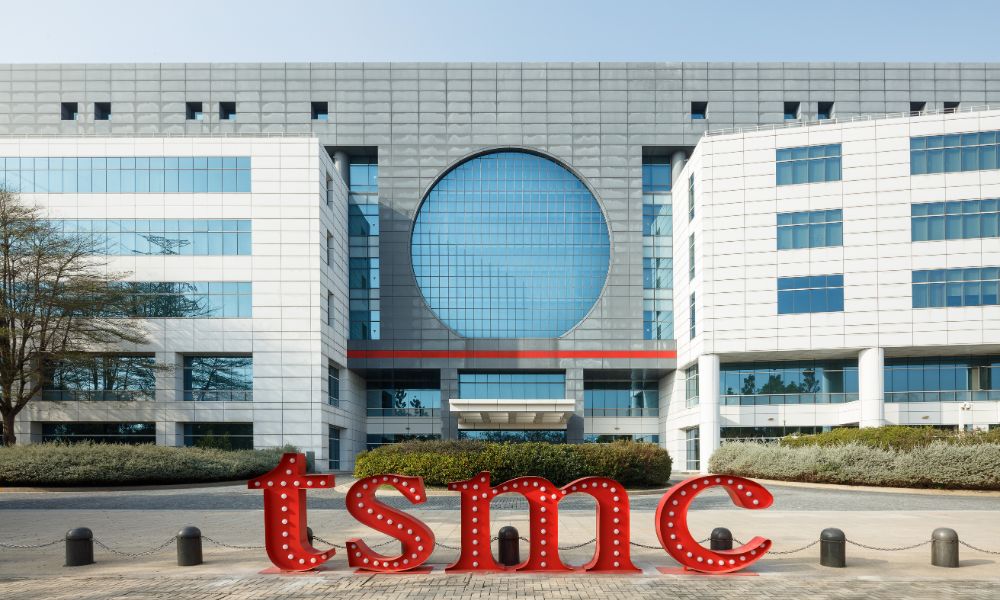
Image Credit: TSMC - Market Cap: around $0.9‑1.2 trillion
- Sector: Semiconductor manufacturing
- Profile: The world’s largest contract chipmaker, producing for Apple, Nvidia, and others, is critical to global tech supply chains.
-
Berkshire Hathaway
- Market Cap: roughly $1.0‑1.1 trillion
- Sector: Diversified investments
- Profile: Warren Buffett’s conglomerate spans insurance, utilities, railroads, and more, offering broad risk‑adjusted returns.
-
Tesla

- Market Cap: about $1.0‑1.13 trillion
- Sector: Electric vehicles & clean energy
- Profile: Though earnings were mixed recently, Tesla remains valued for its EV leadership and AI ambition in autonomous driving. barrons.com
Workforce and Revenue Measuring Size Beyond Market Cap
Valuation is only one measure. These World’s Biggest companies also employ vast numbers and generate astronomical revenue. Each firm’s impact goes far beyond stock price:
- Revenue Leadership: Microsoft, Apple, Amazon, Alphabet, and Meta report quarterly revenues ranging from $70B to over $100B. Combined, these firms contribute massively to tech‑driven economic growth. Microsoft alone posted $76.4B in Q3 revenue with 18% year‑over‑year growth.
- Employee Footprint: Amazon and Apple each employ hundreds of thousands globally. Amazon alone counts over 1.6 million employees. Alphabet, Microsoft, and TSMC have significant global operations, reflecting the scale needed to support their platforms.
These companies don’t just lead the top global revenue companies lists; they are often the largest employers in high‑tech, logistics, media, and finance sectors. Their global footprint shapes economies and labor markets across continents.
Why History Will Remember These Giants
Tech giants like Nvidia, Microsoft, Alphabet, and others have invested heavily in AI infrastructure. Nvidia’s chips power leading AI models, while Microsoft’s Azure cloud and OpenAI partnership are redefining enterprise AI. This AI focus directly increased their valuation Nvidia topping $4T, and Microsoft joining shortly after.
1. Diversified Business Models and Revenue Streams
Apple’s blend of hardware, services, and consumer loyalty is unique. Meta combines social media ads with long‑term bets on VR and AI. Amazon’s retail, logistics, and AWS cloud offer multiple growth engines. These diversified models help minimize risk while expanding scale.
2. Global Reach and Massive Scale
Many of these firms operate across multiple continents, handling billions of transactions weekly. Their employment numbers, supply chains, and platform scale, coupled with global marketing, place them among the world’s biggest in every sense.
3. Strong Balance Sheets and Cash Flow
With enormous free cash flow, dominant market share, and strong brand, these companies wield unmatched financial power. Berkshire Hathaway, for instance, thrives on its diversified asset base, while Apple and Microsoft maintain large cash reserves to support R&D and acquisitions.
Outlook for the World’s Biggest Companies
Looking ahead, the World’s Biggest companies will likely remain entrenched in global leadership, but trends will evolve:
- AI expansion: Nvidia chip demand and cloud infrastructure growth point to further valuation increases. Microsoft, Alphabet, and Tesla invest in AI, reshaping their long‑term path.
- Economic and regulatory risks: Tariffs, competition laws, and macroeconomic shifts (e.g., India‑China policy, global monetary tightening) could challenge growth even for top global revenue companies.
- Geographic diversification: Players like TSMC and Broadcom highlight Asia’s rising relevance in global tech. Meanwhile, Amazon and Apple continue investing heavily in emerging markets worldwide.
- Human capital and ESG: Workforce policies and sustainability efforts increasingly matter. These global giants will need to lead in social and environmental governance to protect their reputation and investor trust.