Nearly eight years ago, the Volkswagen emissions scandal rocked the world. Today, the group is in hot water over software manipulation of emissions mechanisms. If environmental NGO Deutsche Umwelthilfe (DUH) has its way, the automaker might be forced to recall its golf vehicles in Germany. If the environmental group feels ambitious, most of the heavyweights of the car industry, including BMW and Mercedes-Benz, might be impacted.
On February 20, a German court ruled that the federal motor authority was in the wrong for allowing cars with software on exhaust gas recirculation as it is illegal. Acknowledging the go-ahead as illegal could translate to a wave of recall as it means that the vehicles should have never reached the showrooms or the road.
A court spokesperson cemented the growing concerns by stating, “The case was effectively successful.” Translation? The order to release the vehicles might be revoked.
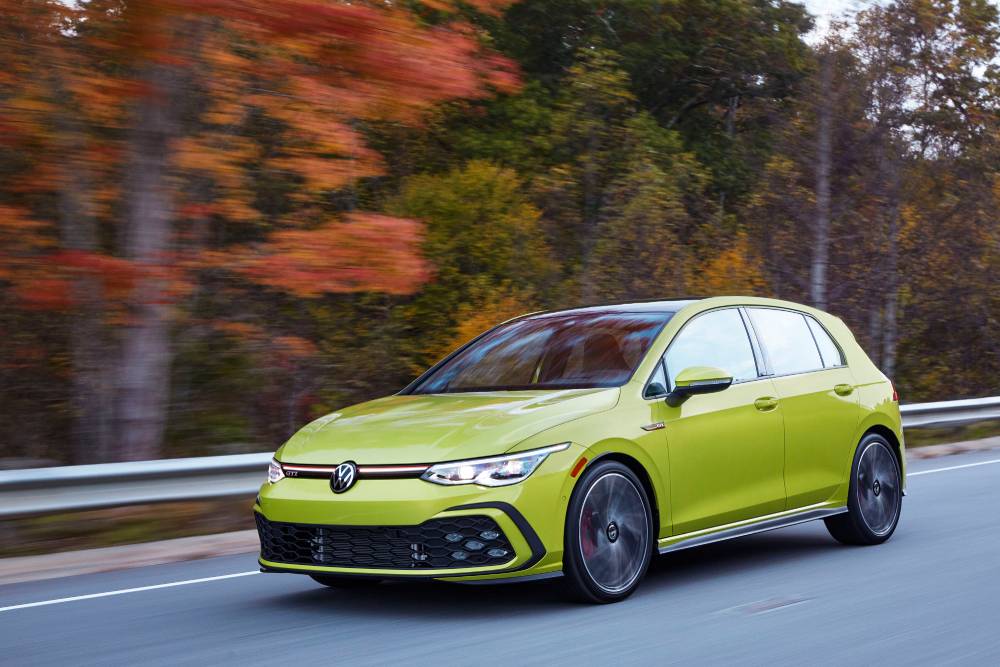
So, what is it that Volkswagen did wrong? And how will the DUH use this case to hold other automakers responsible?
Let us take a look at the dark clouds cast by these vehicles and why this judgment could set the tone on making sustainable choices.
The Volkswagen emissions lawsuit
The NGO’s fight with the German carmaker involved diesel vehicles that used a four-cylinder EA 189 diesel engine. Vehicles that contained these engines were found to house temperature-activated emissions cheating devices. In 2016, the German transport authority (KBA) approved a software fix that neutralized the emissions issue. The NGO, however, has long argued that the company left the cheat device in the vehicle and this can cause more harm in the future.
The DUH believes that the vehicles are capable of emitting more pollutants that permitted by German regulators.
As the VW vehicles still carried the original faulty devices, they were allowed to emit excessive nitrogen oxide, a pollutant that can severely damage the human respiratory tract.
Last November, the European Court of Justice had backed the right of environmental groups to take action against such haphazard approvals.
Emboldened by the current decision, the DUH is putting together cases against the KBA involving BMW, Volkswagen, and Mercedes-Benz vehicles that could potentially lead to a recall notice for up to 10 million cars, if successful.
One of Volkswagen’s long-term goals are to reduce CO2 emissions. It has also planned to invest around 14 billion Euros in decarbonization by 2025.
Ralf Brandstätter, CEO of Volkswagen said, “Volkswagen stands for sustainable e-mobility for all – from production through service life to recycling.”
Emissions and Auto Industry
Volkswagen was embroiled in an emissions scandal in the US in 2015. The Volkswagen emissions scandal, also known as Dieselgate or Emissionsgate, cast a dark shadow over the auto industry.
The recent win by the DUH could set a precedent wherein environmental associations fill in the gaps left by regulatory agencies.
By filing cases against faulty approvals, NGOs will force both road transport authorities and automakers to be vigilant about changing norms and standards regarding emissions.
Currently, the automotive industry is moving towards a sustainable future by investing and promoting electric vehicles (EVs) while slowly phasing out fossil fuel-based ones. But as competition heightens, there is a chance that some may indulge in so-called shortcuts and install cheat-codes to bypass regulatory concerns.
Allowing non-governmental bodies to take note of such instances and pursue legal proceedings will considerably change the future of carbon emissions.
Despite the Paris Agreement, many major automakers from countries like the US, China, and Germany refused to commit to selling only zero-emissions cars and vans by 2040 at the COP26. Although it is clear that the future is EV, unless concrete action is taken to dissuade wrong-doers, a few mistakes could undo the progress we have made so far.
While EVs gain ground, it is also important to rectify the errors of the past where possible, so that we can look forward to a living, breathing planet.