The IG Metal trade union called for a strike at Volkswagen in Germany on December 2 amid negotiations over mass layoffs and pay cuts. Volkswagen’s decision to cut jobs and reduce production capacity in Germany was followed by several union strikes at the Volkswagen plants. The Germany-based company has stated that sales have dipped and they are not expecting to see pre-pandemic sales soon.
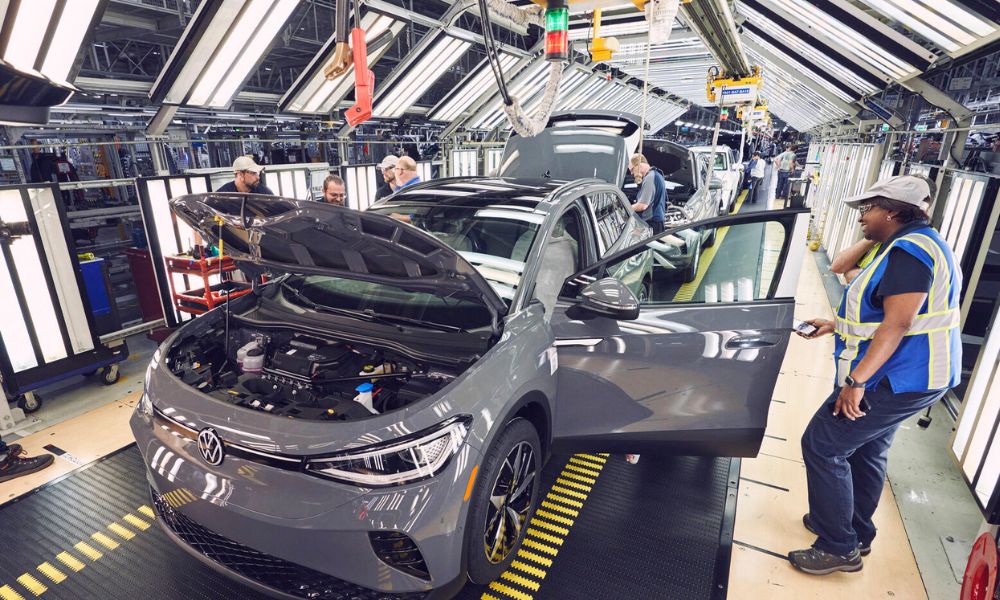
Volkswagen faces union strikes in Germany
The car-making company announced that they will be closing plants and making job cuts to raise profits. Labor unions called it a “bitter move” and Thorsten Groger, IG Metall negotiator said, “How long and how intense this dispute must go on is a matter for Volkswagen to decide at the negotiating table. If necessary, this will be the toughest wage dispute Volkswagen has ever seen.”
He also said that the union doesn’t want to have any kind of conflict with the organization but we won’t set back until VW finds other ways of cost-cutting and 1000 employees don’t lose their jobs.
What steps is Volkswagen taking in response to the strike?
While the union is all set for intense strikes, VW is preparing for disruptions that will occur because of a strike. Volkswagen spokesperson said, “We want to minimize the impact of the warning strike on our customers, our partners, and our industrial plants as much as possible. That is why the company has already taken specific measures in advance to ensure emergency supplies.”
VW and IG Metall are in discussion over cost-cutting measures, but there have been no fruitful conclusions to end the conflict and agree on one argument. Union negotiators have offered to skip bonuses for the next two years and set up a fund to support shorter working hours in less productive parts of the business.
Why Volkswagen is implementing cost-cutting strategies?
The Germany-based company has announced that they have to take cost-cutting measures to compete with cheap rivals from China and to deal with dropping car demand in Europe. The company is planning to shut down several production plants in Germany, which will lead to the layoff of thousands of employees and a reduction in pay.
What to expect from further talks?
On November 30, the mandatory labor truce ended, another round of talks is scheduled for December 9.
The tension between Volkswagen and the labor union is likely to intensify as the company’s sales are declining and it faces rising competition. The next talk is scheduled for December 9, this will be important for both sides as extended strikes will impact the company’s growth and union member’s financial condition. The outcome of these talks will not only shape Volkswagen’s future but also set a precedent for how large corporations handle labor disputes during times of economic uncertainty.