A profit warning Walmart forecast resulted in a major market sell off on July 25. The share market tumbled and US retailers saw their stocks being offloaded, with nearly $100 billion going up in smoke during extended trading.
The late Monday announcement carried over to Tuesday morning as US stock futures continued their free fall, in wake of the Walmart forecast that cut its profit expectations. Dow Jones Industrial Average futures fell by 146 points while S&P500 and Nasdaq 100 futures also declined by 0.5% and 0.3% respectively.
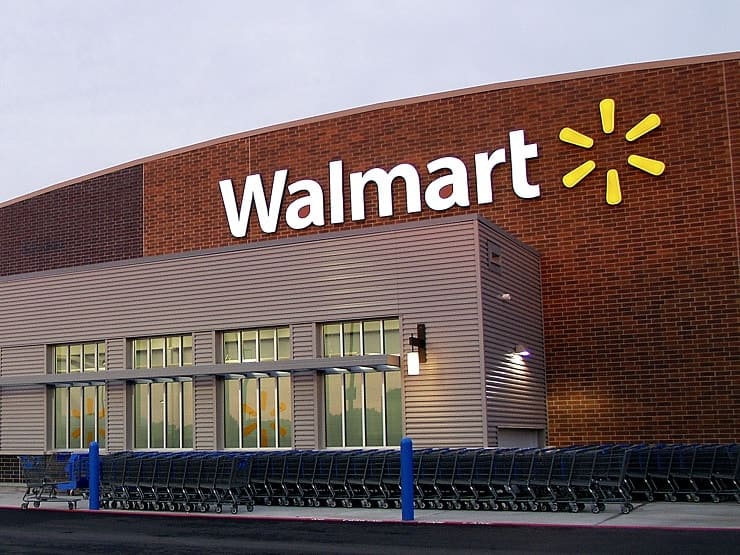
Walmart’s Grim Forecast
The Walmart forecast cut its quarterly and yearly profit estimates citing record high inflation that has shoppers tightening their purse strings. The retailer stated that consumers are focusing on buying daily essentials like food and gas instead of spending money on clothes and electronics.
Walmart sounded the inflation alarm, sending risk-averse Wall Street investors scurrying for cover. The retailer revealed that it expects its profits to dip quite a bit for the full-year. Preparing Wall Street for its version for the apocalypse, the Walmart forecast expects its adjusted earnings per share to drop as much as 13%.
“The increasing levels of food and fuel inflation are affecting how customers spend, and while we’ve made good progress clearing hardline categories, apparel in Walmart U.S. is requiring more markdown dollars,” CEO Doug McMillon said in a news release.
As Walmart is the biggest grocer in the US, investors often look at the Walmart forecast as an unofficial sign of the times to come. A worrying trend is that customers are battling high prices by adjusting budgets to make room for essential items. The retailer said that it expects same-store sales in the US to rise by about 6% in the second quarter, excluding fuel, as customers focus on buying food. Previously, the company expected the number to be around 2%.
The shock of the forecast has a cascading effect on US retailers like Target and Amazon, who saw their shares fall by 5% and 4% following the announcement. The change in customer spending has forced retailers to cut prices on not-in-demand good like apparels to reduce inventory. Furthermore, Costco, Best Buy, Dollar General, and Dollar Tree each declined more than 3% while Home Depot fell almost 2%.
Amazon and Walmart reported the biggest decline in their share prices amongst US retailers as investors took note of changing spending habits and tightening household budgets.
Inflation and the US Economy
On July 26, the Federal Reserve will begin its two-day policy meeting. Traders are expecting a three-quarter percentage point hike as an end result. Equities wavered on Monday, July 25, as traders braced themselves for a week of profit forecasts as many companies are set to reveal their corporate earnings.
Sam Stovall, chief investment strategist at CFRA Research, told CNBC, “Investors likely believe Thursday’s GDP report will show a second quarter of decline, which is the unofficial signal of recession. “While the Fed will probably announce a 75-basis-point rate hike on Wednesday, they will offer a more moderate tone towards further rate increases. We see this counter-trend rally continuing in the near term.”
Meanwhile, last week stocks fell after Snap reported disappointing earnings and had investors worrying about reduced digital ad spending. The social media site saw its share prices fall by more than 26% in extended trading, as the company revealed that revenue is flat and it plans to slow hiring in the coming months. The current economic climate also resulted in a drop in shares of Meta Inc. by 1.5%, with slightly lower falls experienced by tech giants Apple, Alphabet, and Microsoft. Stocks associated with oil companies performed well as prices rose.